

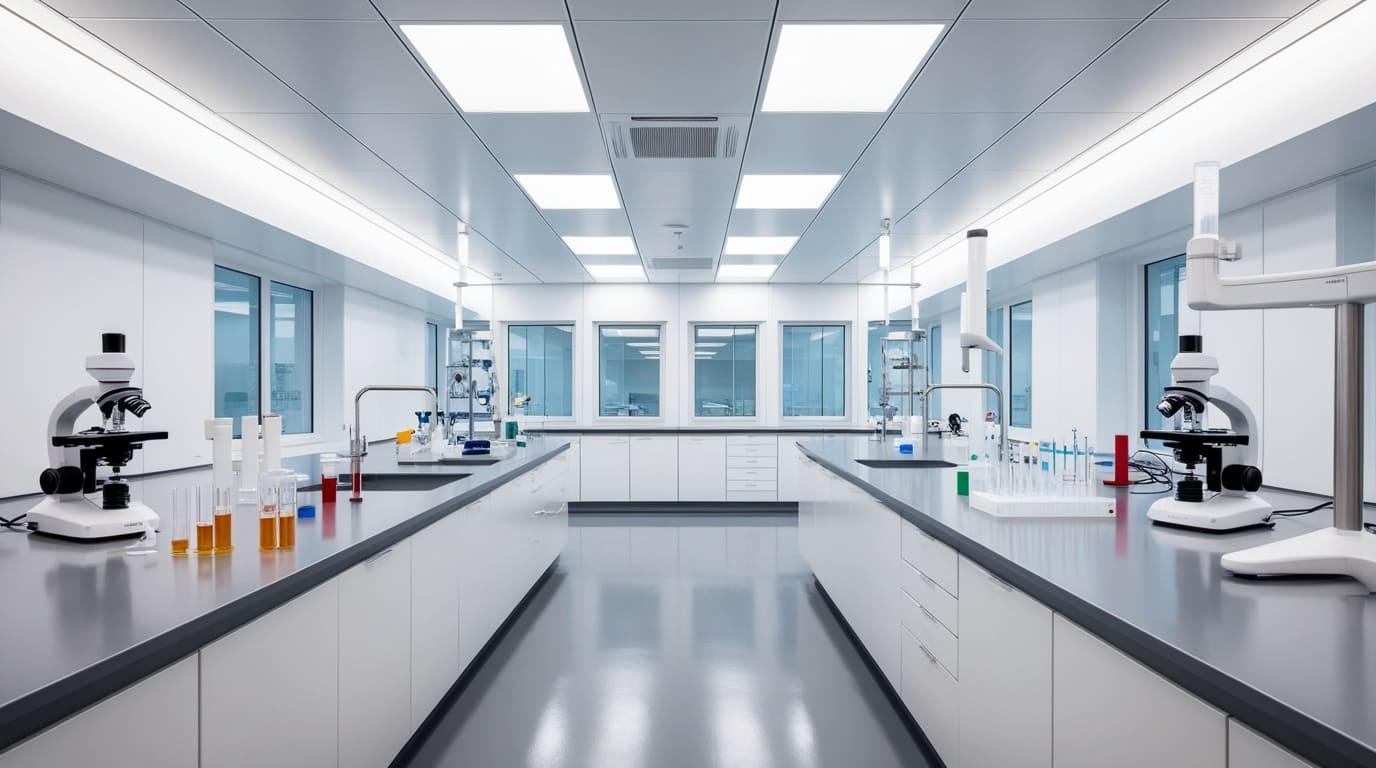
Designing and building a laboratory is a complex process that requires careful planning, technical knowledge, and long-term vision. Whether you are setting up a research lab, testing facility, or educational laboratory, even small errors in planning can lead to safety risks, inefficient workflows, and expensive redesigns. A well-planned laboratory supports productivity, compliance, and future growth, while poor decisions can compromise operations for years.
In this article, we will explore five common mistakes to avoid during laboratory planning and development. Understanding these pitfalls will help you create a safe, functional, and future-ready lab. We will also touch on key concepts such as Types of Laboratory Design, Laboratory Design and Construction, and Laboratory Design and Setup to give you a complete and practical perspective.
Mistake 1: Ignoring the Purpose and Workflow of the Laboratory
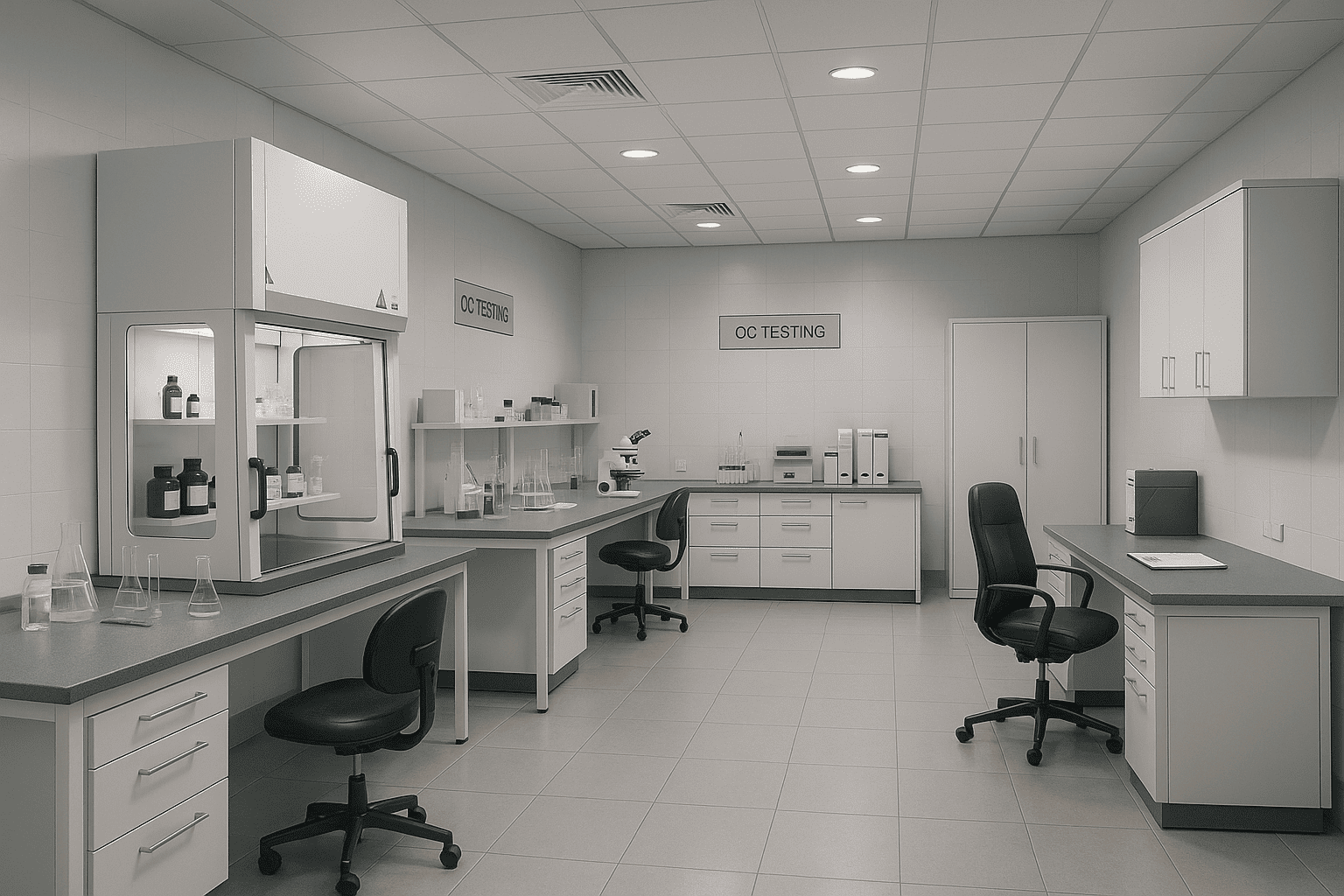
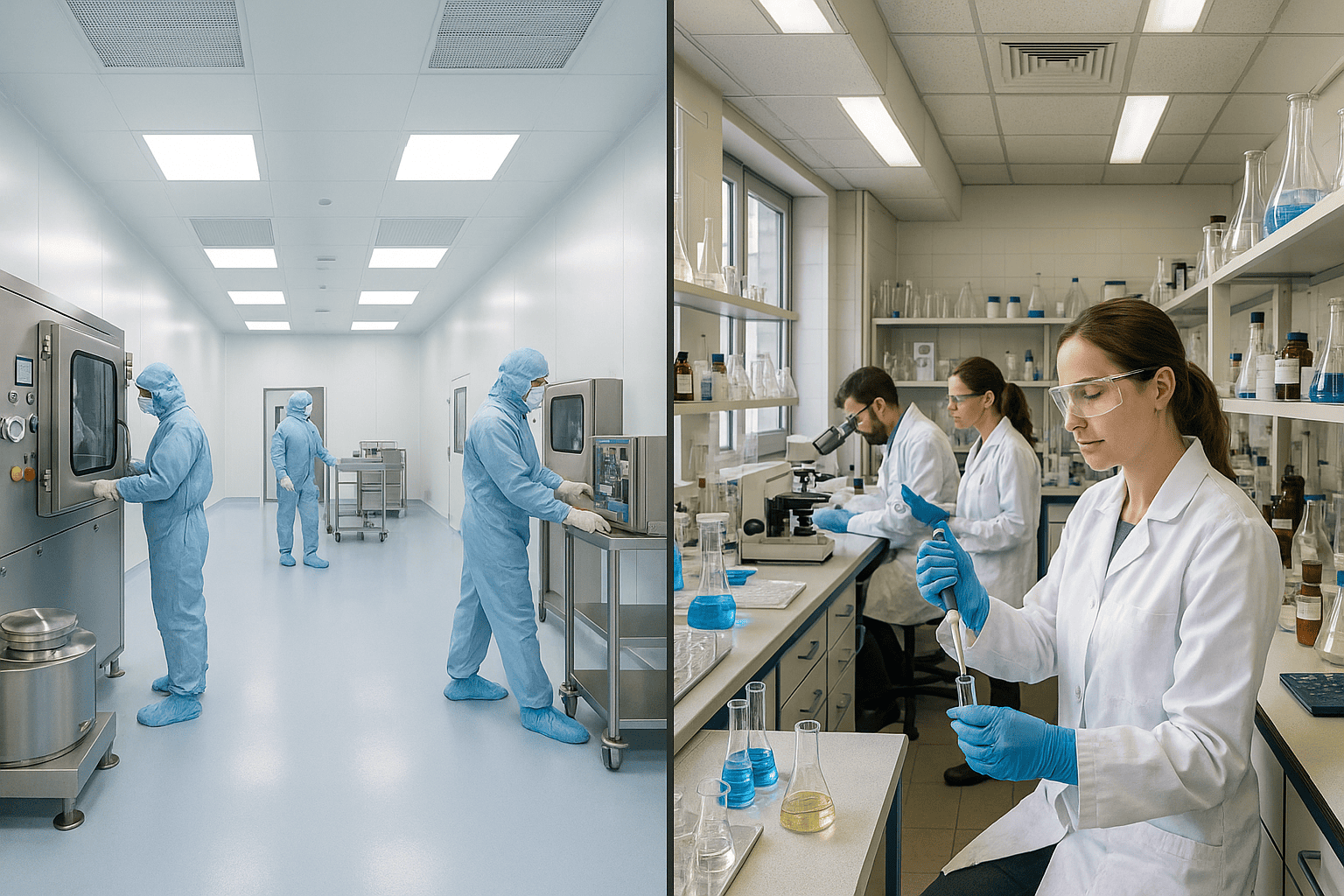
One of the biggest mistakes in laboratory planning is failing to clearly define the lab’s purpose and daily workflow. Laboratories vary greatly depending on their function—research, diagnostics, quality control, teaching, or industrial testing. Each type has unique requirements for space, equipment, safety, and personnel movement.
Without understanding how samples, staff, and data will flow through the space, designers may create layouts that cause congestion, cross-contamination, or inefficiencies. For example, placing preparation areas too close to testing zones may compromise accuracy, while poor circulation paths can slow down work.
Early planning should involve scientists, technicians, and facility managers. Their input helps align the design with actual operational needs. This is where knowledge of Types of Laboratory Design becomes essential, as it ensures the layout matches the lab’s function and compliance requirements from the start.
Mistake 2: Underestimating Safety and Compliance Requirements
Safety is non-negotiable in any laboratory environment. A common and costly mistake is treating safety and regulatory compliance as secondary considerations rather than core design elements. Laboratories must comply with local building codes, environmental regulations, fire safety standards, and occupational health guidelines.
Failing to plan for proper ventilation, chemical storage, emergency exits, eyewash stations, and waste disposal can lead to serious hazards and legal issues. Retrofitting safety features after construction is far more expensive and disruptive than integrating them during the design phase.
During Laboratory Design and Construction, safety systems should be seamlessly integrated into the building structure and layout. This includes fume hoods, biosafety cabinets, air pressure controls, and fire suppression systems. Proactive safety planning not only protects people but also ensures uninterrupted operations and regulatory approval.
Mistake 3: Poor Space Planning and Lack of Flexibility
Another major mistake is designing a laboratory that only meets current needs without considering future growth or change. Science and technology evolve rapidly, and laboratories often need to adapt to new equipment, processes, or research directions.
Rigid layouts with fixed casework, limited utility access, or insufficient ceiling height can restrict future modifications. Poor space planning may also lead to overcrowding, inefficient storage, or underutilized areas.
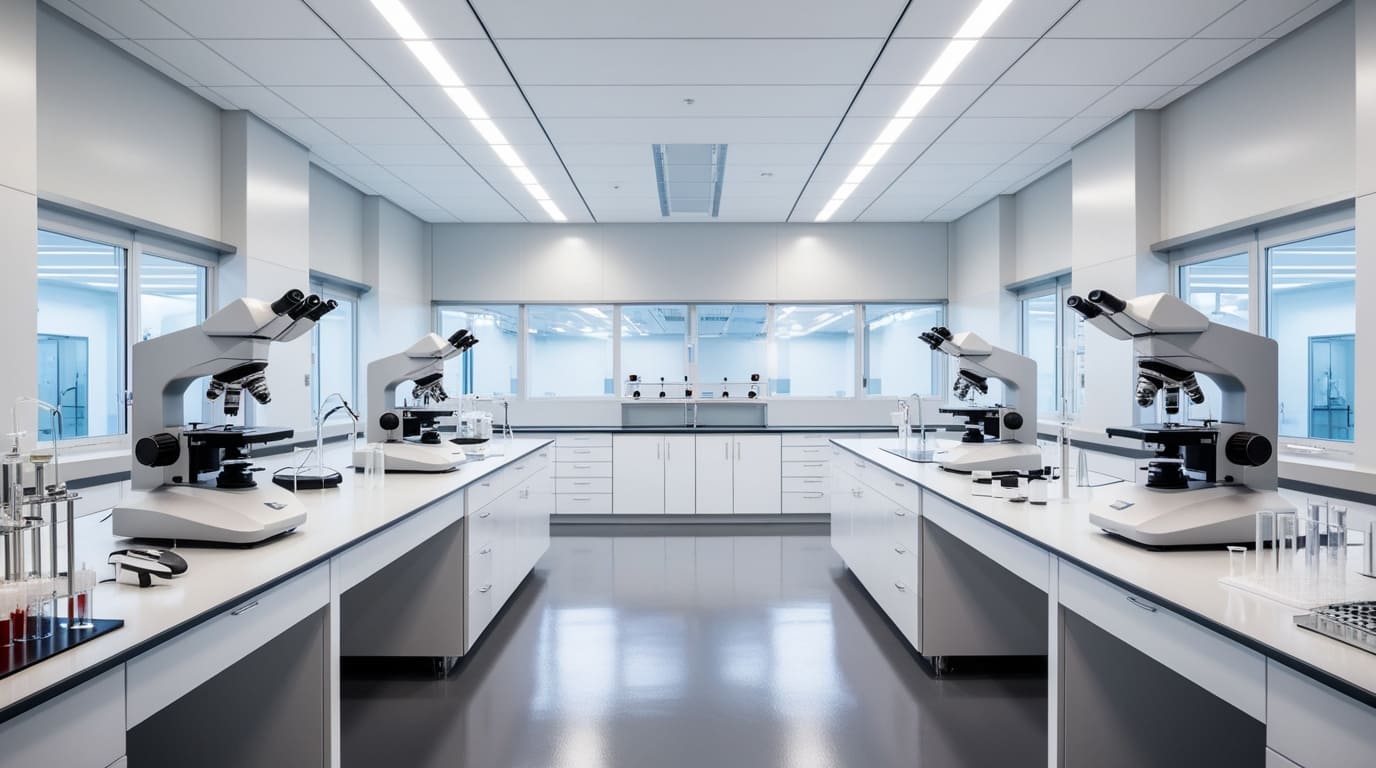
Smart laboratory planning focuses on modular designs, movable furniture, and accessible service corridors. Flexible layouts allow labs to expand or reconfigure without major renovations. When considering Types of Laboratory Design, flexibility should always be a priority, especially for research and innovation-driven environments.
Mistake 4: Choosing the Wrong Materials and Finishes
Material selection plays a critical role in laboratory performance, durability, and maintenance. A common error is choosing materials based solely on appearance or cost, without considering chemical resistance, hygiene, and long-term wear.
Laboratory surfaces are exposed to harsh chemicals, moisture, heat, and frequent cleaning. Inappropriate flooring, countertops, or wall finishes can degrade quickly, leading to contamination risks and higher maintenance costs.
During Laboratory Design and Construction, materials should be selected based on the lab’s specific activities. For example, chemical labs require corrosion-resistant surfaces, while biological labs need seamless, easy-to-clean finishes. Investing in the right materials upfront improves safety, extends lifespan, and reduces operational disruptions.
Mistake 5: Overlooking Equipment Integration and Utilities
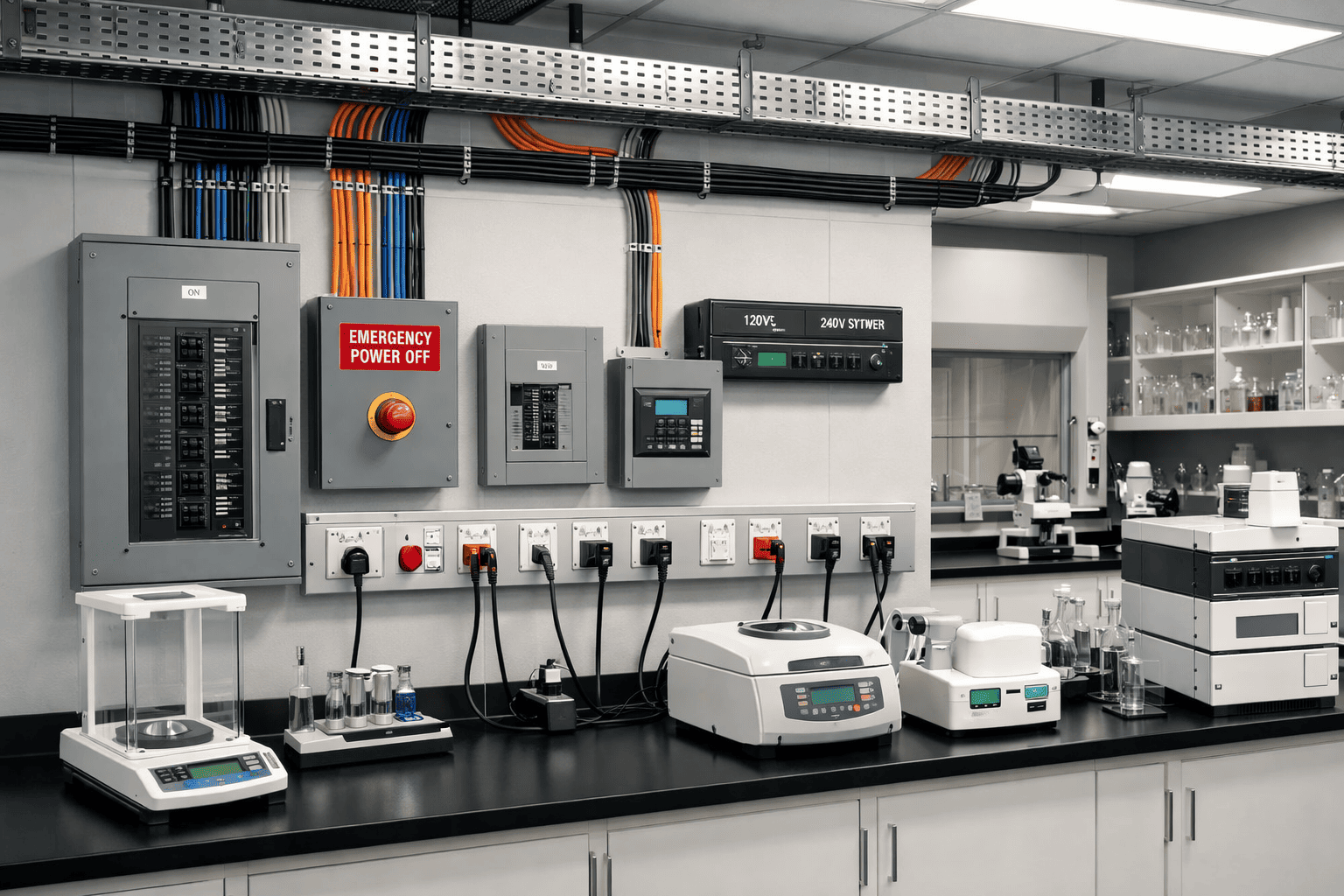
Laboratory equipment is the backbone of any lab, yet many projects fail to plan adequately for equipment integration. This includes power supply, data connections, gas lines, water, drainage, and ventilation needs.
If equipment requirements are not identified early, the lab may face issues such as insufficient power capacity, poor ergonomics, or incompatible layouts. Adding utilities after installation can be expensive and may require shutting down operations.
Effective Laboratory Design and Setup starts with a detailed equipment list and technical specifications. Designers should coordinate closely with equipment vendors to ensure proper placement, access, and maintenance clearance. This approach minimizes downtime and ensures smooth daily operations.
Why Avoiding These Mistakes Matters
Avoiding these common mistakes is not just about saving money—it’s about creating a laboratory that supports efficiency, safety, and scientific excellence. A well-designed lab improves productivity, enhances staff satisfaction, and ensures compliance with industry standards.
Proper Laboratory Design and Setup also reduces long-term operational costs by minimizing maintenance issues and allowing for future adaptability. When planning is thorough and informed, laboratories become assets rather than limitations.
Conclusion
Laboratory projects demand a careful balance of functionality, safety, flexibility, and compliance. By avoiding mistakes such as unclear workflow planning, neglected safety requirements, poor space utilization, incorrect material choices, and inadequate equipment integration, you can ensure long-term success.
Understanding Types of Laboratory Design helps align the lab with its purpose, while a structured approach to Laboratory Design and Construction ensures safety and efficiency from the ground up. Finally, thoughtful Laboratory Design and Setup guarantees that the lab is ready to support current needs and future advancements.
A well-planned laboratory is an investment in performance, innovation, and sustainability. Taking the time to plan correctly today will prevent costly problems tomorrow.
You have not enough Humanizer words left. Upgrade your Surfer plan.
Leave a Reply