

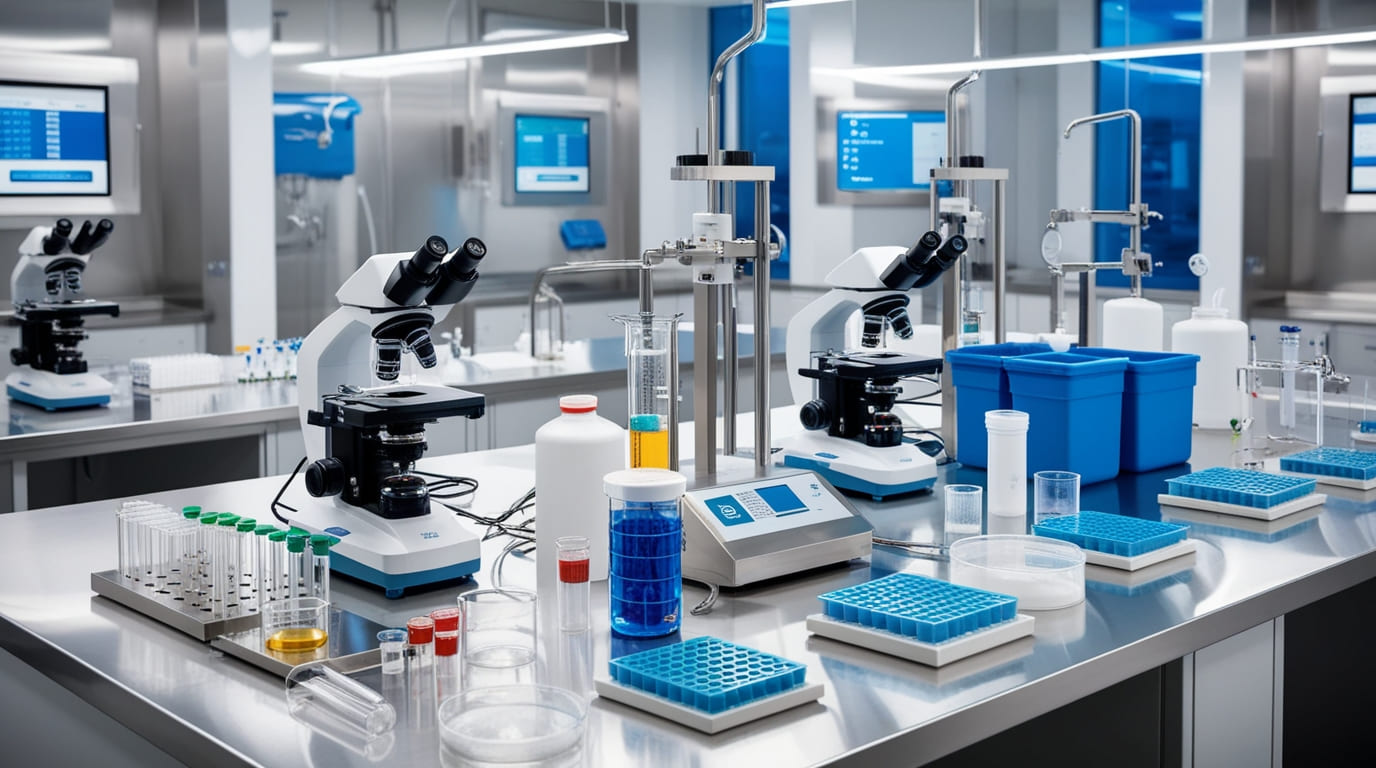
With rising concerns around public health, food safety, and drinking water quality, the demand for reliable testing facilities is growing fast. Governments, private manufacturers, exporters, and institutions all depend on accurate testing to meet compliance and safety standards. This is where a professionally planned Food & Water Testing Laboratory Setup becomes critical.
If you’re planning to establish a Water Testing Laboratory Setup or a Food Testing Laboratory Setup in India, this guide walks you through the entire process from approvals to infrastructure, equipment, and operational flow.
Let’s break it down step by step.
Why Food & Water Testing Laboratories Matter in India
India’s regulatory environment is strict when it comes to food and water safety. Bodies like FSSAI, BIS, ISO, and NABL define clear testing standards. Industries such as pharmaceuticals, FMCG, hospitality, bottled water, agriculture, and exports rely on certified labs to ensure compliance.
A well-designed Laboratory Setup for Food and Water Testing helps:
- Ensure consumer safety
- Meet statutory compliance
- Build trust with clients and regulators
- Support exports and quality certifications
Types of Food & Water Testing Laboratories
Before starting the setup process, you must define the lab scope.
- Food Testing Laboratory Setup
This focuses on:
- Chemical analysis (additives, preservatives, toxins)
- Microbiological testing (bacteria, yeast, mold)
- Nutritional analysis
- Shelf-life studies
- Adulteration testing
These labs typically cater to food manufacturers, exporters, hotels, and government agencies.
- Water Testing Laboratory Setup
This covers:
- Drinking water testing
- Wastewater analysis
- Groundwater and surface water testing
- Industrial effluent testing
A Water Testing Laboratory Setup in India often serves municipalities, industries, real estate projects, and environmental agencies.
Step-by-Step Food & Water Testing Laboratory Setup Process
- Define Scope & Test Parameters
Start by listing:
- Types of samples (food, drinking water, wastewater)
- Parameters to be tested (chemical, biological, physical)
- Expected sample volume per day
This directly impacts lab layout, equipment selection, and manpower planning.
- Regulatory Approvals & Certifications
This is non-negotiable.
For Food Testing Laboratory Setup:
- FSSAI Recognition
- NABL Accreditation (ISO/IEC 17025)
For Water Testing Laboratory Setup:
- State Pollution Control Board approval
- NABL Accreditation
- BIS compliance (IS 10500 for drinking water)
Planning approvals early avoids costly redesigns later.
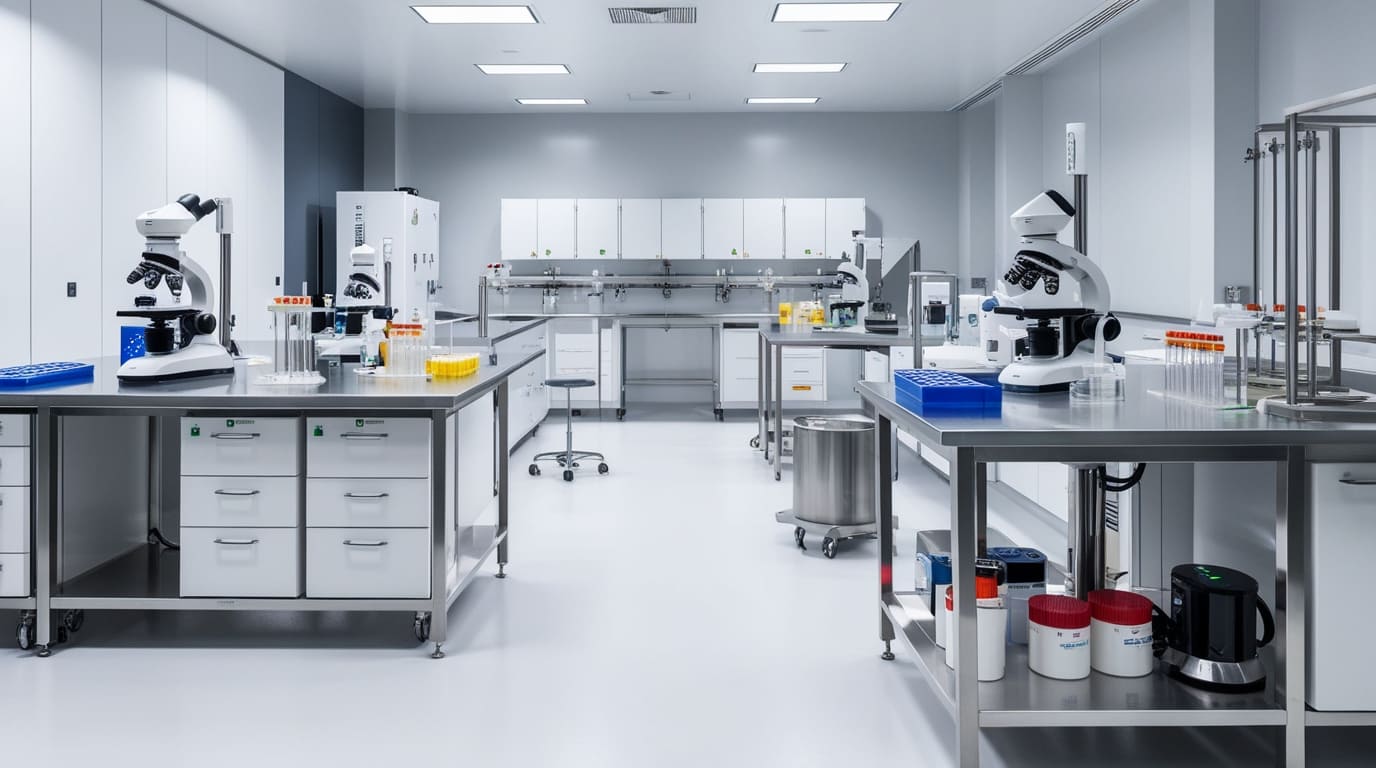
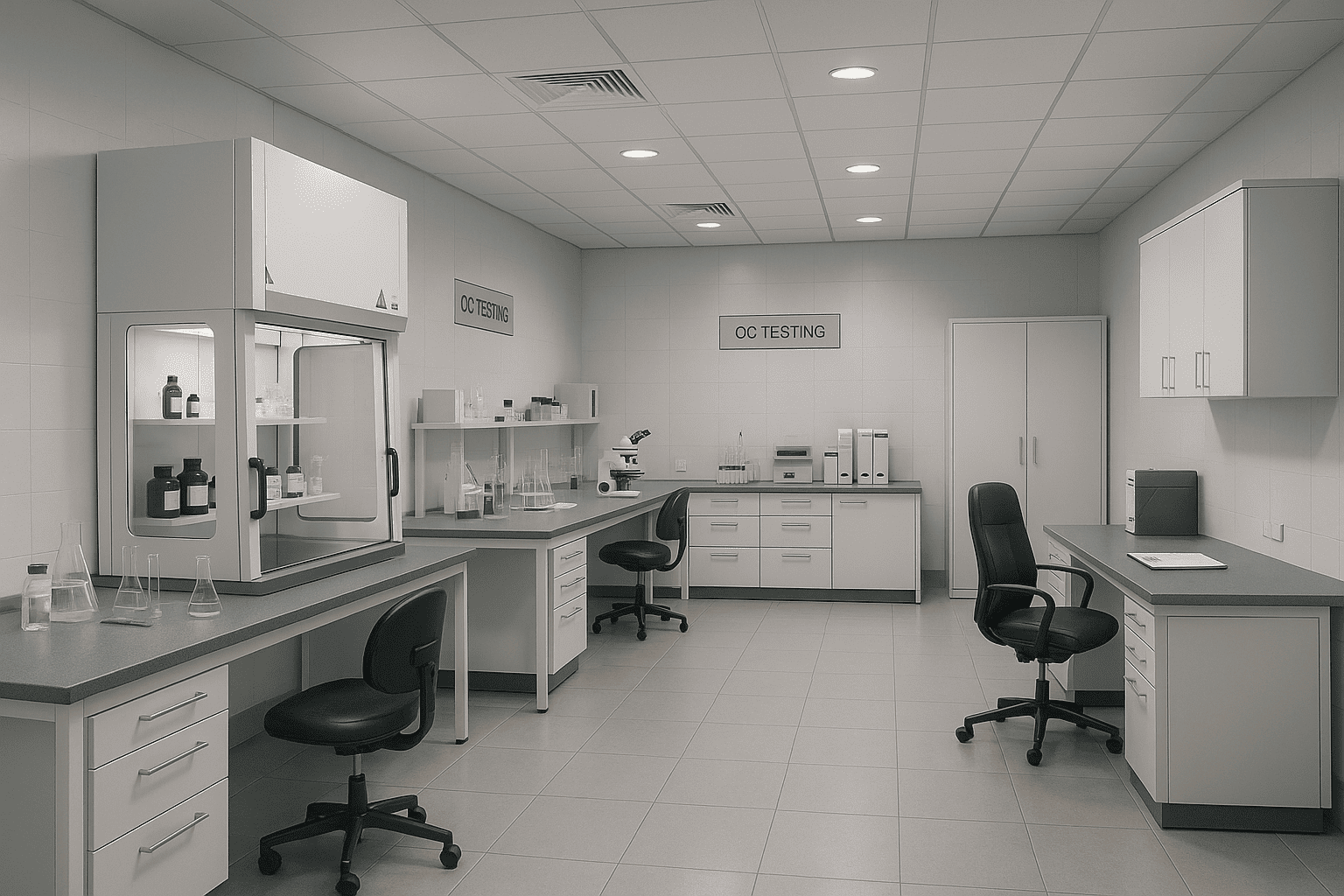
- Laboratory Layout & Infrastructure Planning
A proper Laboratory Setup is not just about machines—it’s about workflow.
Key zones include:
- Sample receiving and logging area
- Chemical analysis lab
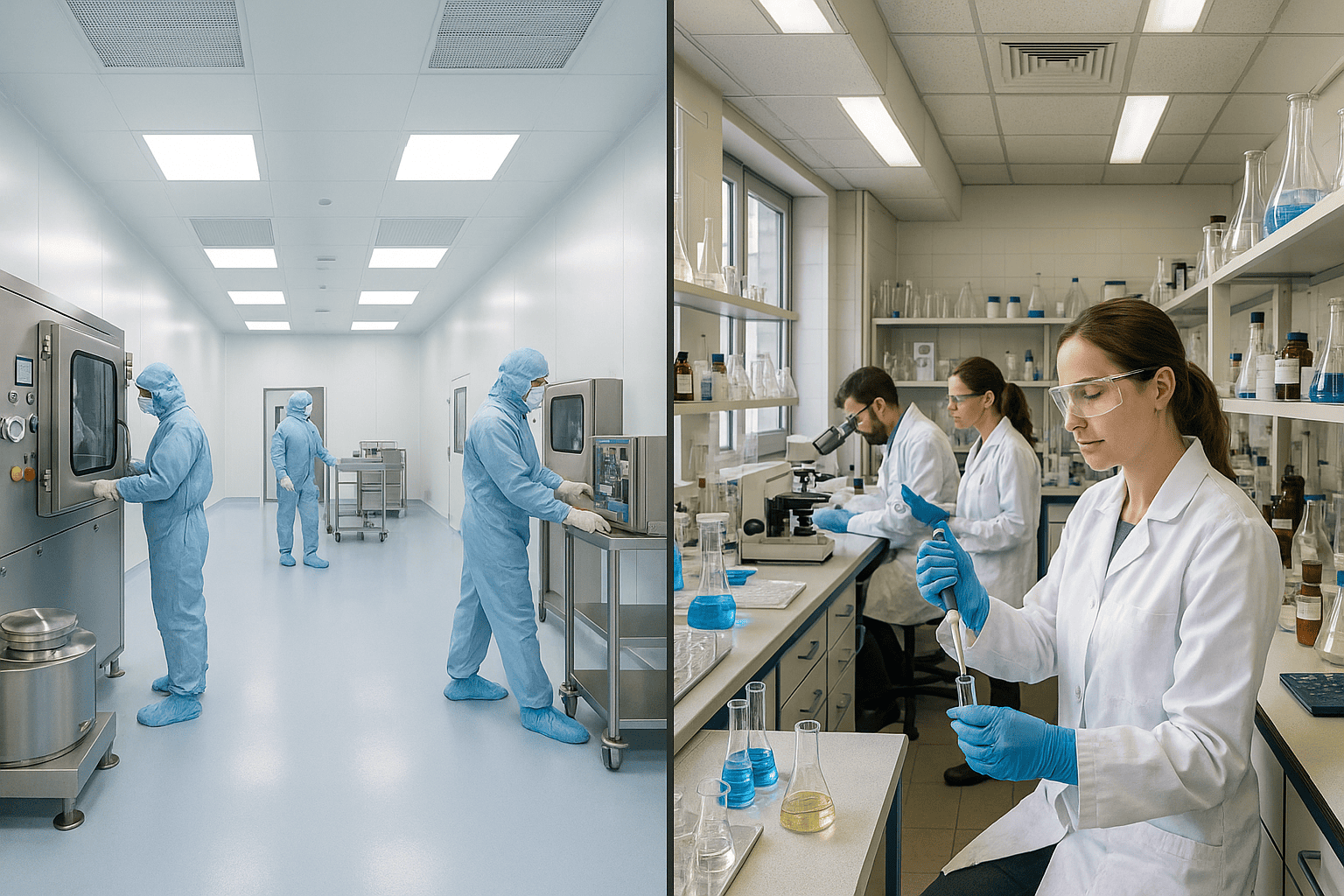
- Microbiology lab (separate, controlled environment)
- Instrument room
- Media preparation room
- Washing and sterilization area
- Chemical storage and gas cylinder room
For microbiology testing, biosafety cabinets, airflow control, and clean zoning are essential.
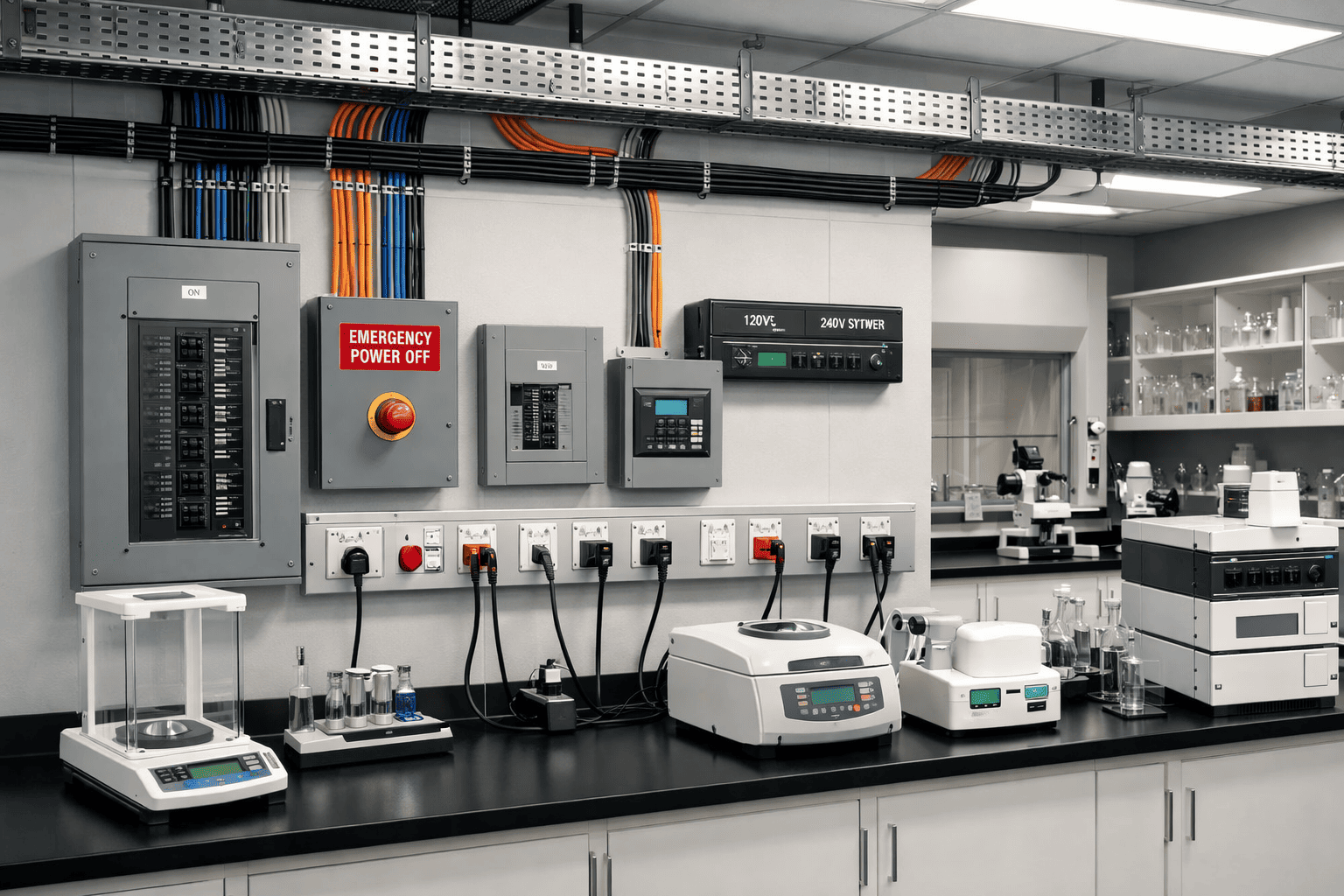
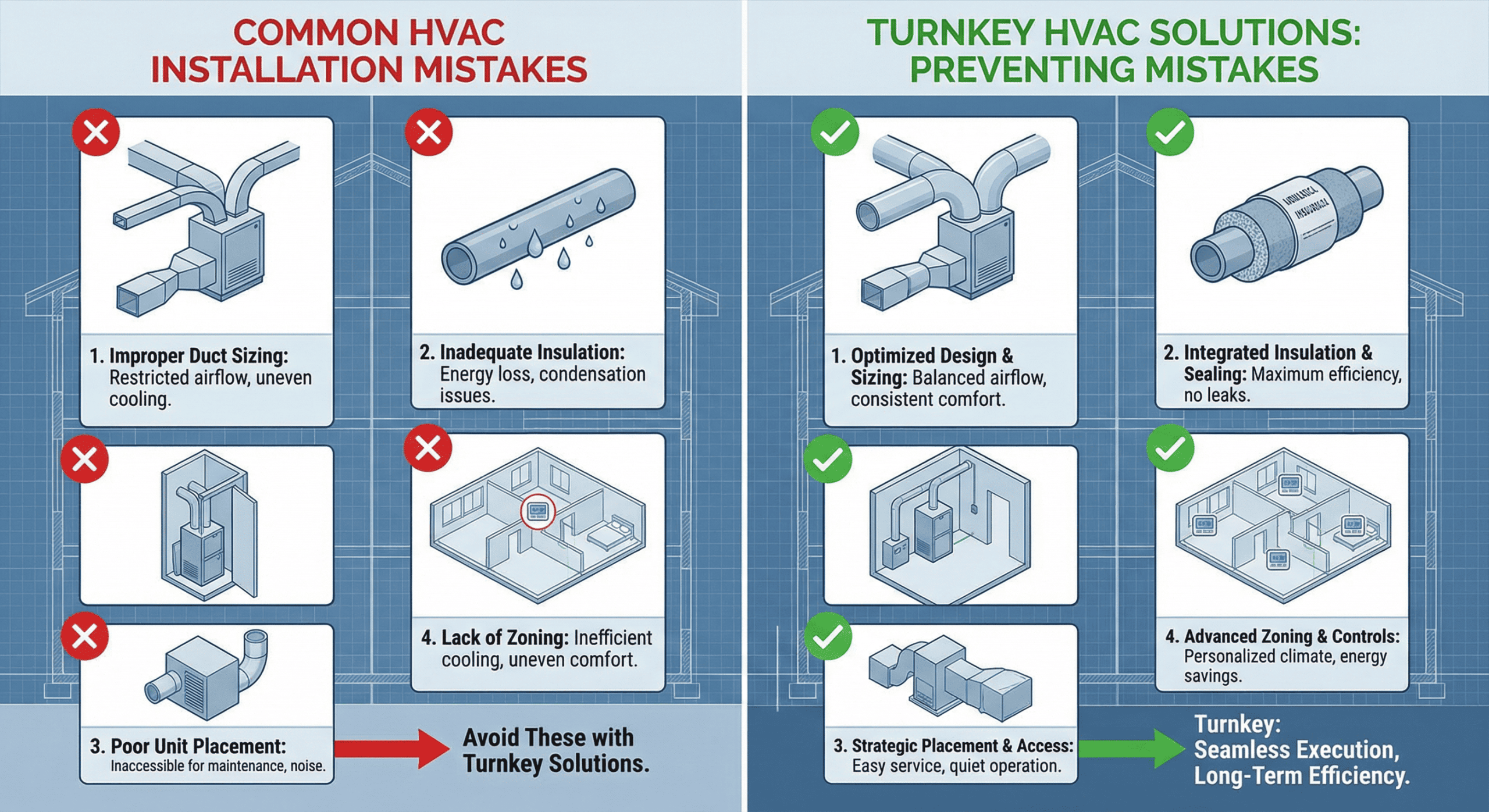
- HVAC, Utilities & Safety Systems
This step is often underestimated but crucial.
A compliant Food & Water Testing Laboratory Setup requires:
- Controlled temperature and humidity
- Proper exhaust and fresh air systems
- Fume hoods for chemical handling
- Eye wash stations and safety showers
- Fire safety and emergency exits
For water testing labs, corrosion-resistant plumbing and drainage systems are mandatory.
- Equipment Selection & Installation
Your testing scope defines the equipment list.
Common Equipment for Food Testing Laboratory Setup
- Analytical balances
- pH meters
- UV-Visible spectrophotometers
- HPLC / GC (based on scope)
- Incubators
- Autoclaves
- Laminar airflow units
- Biosafety cabinets
Common Equipment for Water Testing Laboratory Setup
- BOD incubators
- COD digester
- Turbidity meters
- Conductivity meters
- Atomic Absorption Spectrophotometer (AAS)
- ICP-OES (advanced labs)
Equipment layout must follow NABL workflow guidelines.
- Laboratory Furniture & Workstations
A professional Laboratory Setup requires:
- Chemical-resistant lab benches
- Sink units with acid-resistant fittings
- Instrument tables with vibration control
- Storage cabinets for chemicals and samples
For microbiology labs, furniture must support easy cleaning and contamination control.
- Manpower & Training
Even the best lab fails without skilled people.
You’ll need:
- Qualified analysts (Chemistry, Microbiology)
- Lab technicians
- Quality manager
- Safety officer
For NABL-accredited Food & Water Testing Laboratories, regular training and documentation are mandatory.
- Documentation & Quality Management System
This is the backbone of accreditation.
Includes:
- SOPs for each test method
- Equipment calibration records
- Sample handling procedures
- Internal audit protocols
- Corrective action plans
A robust QMS ensures your Food Testing Laboratory Setup and Water Testing Laboratory Setup remain compliant long-term.
- Trial Runs & Validation
Before going live:
- Run validation samples
- Verify accuracy and repeatability
- Calibrate instruments
- Conduct internal audits
Only after this should you apply for final accreditation audits.
Cost of Food & Water Testing Laboratory Setup in India
Costs vary widely based on:
- Testing scope
- Level of automation
- Accreditation goals
Indicative range:
- Small basic lab: ₹25–40 lakhs
- Medium NABL lab: ₹60–120 lakhs
- Advanced multi-parameter lab: ₹2–5 crore+
Planning correctly upfront saves massive costs later.
Why Choose a Turnkey Laboratory Setup Partner
A professional Turnkey Food & Water Testing Laboratory Setup partner handles:
- Design & layout
- Furniture & equipment integration
- HVAC & utilities
- Documentation support
- Accreditation readiness
This approach reduces risk, timelines, and compliance issues.
Final Thoughts
Setting up a compliant Food & Water Testing Laboratory in India is a technical, regulated, and detail-heavy process. When done right, it becomes a long-term asset with strong demand across industries.
Whether you’re planning a Food Testing Laboratory Setup, a Water Testing Laboratory Setup, or a combined facility, success depends on smart planning, regulatory alignment, and professional execution.
Done properly, your lab won’t just pass audits—it will earn trust.
Leave a Reply