

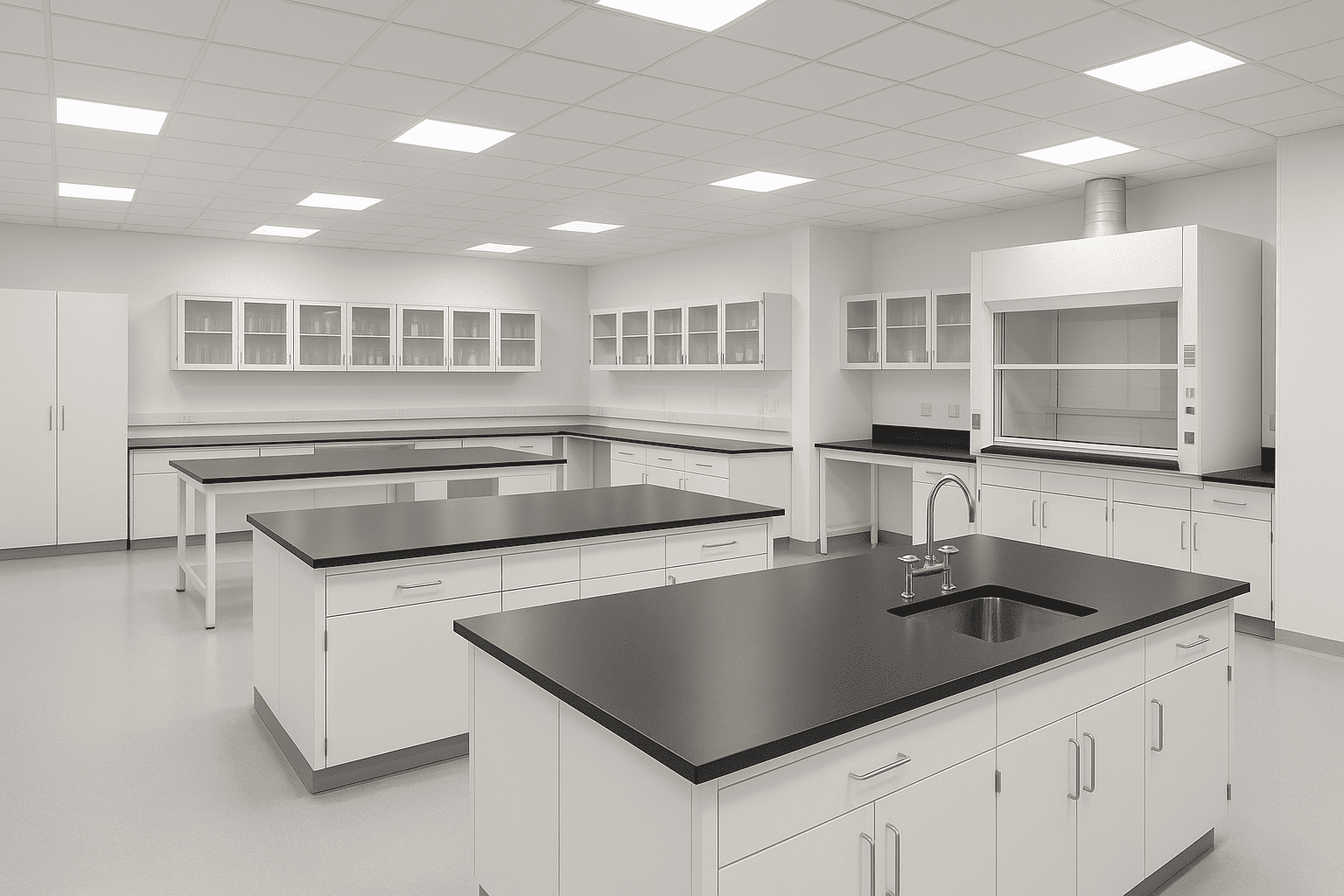
Designing a new lab or upgrading an existing one starts with choosing the right furniture. Well-planned layouts, durable materials, and the right storage or workbench solutions can directly improve safety, accuracy, and productivity in your workspace.
1- Plan Your Lab Before Choosing Furniture
Before looking at specific furniture items, define the following:
a) Type of laboratory and use-case
- Research labs: flexibility, chemical resistance, and space for instruments.
- Educational labs: durability, safety, and easy supervision.
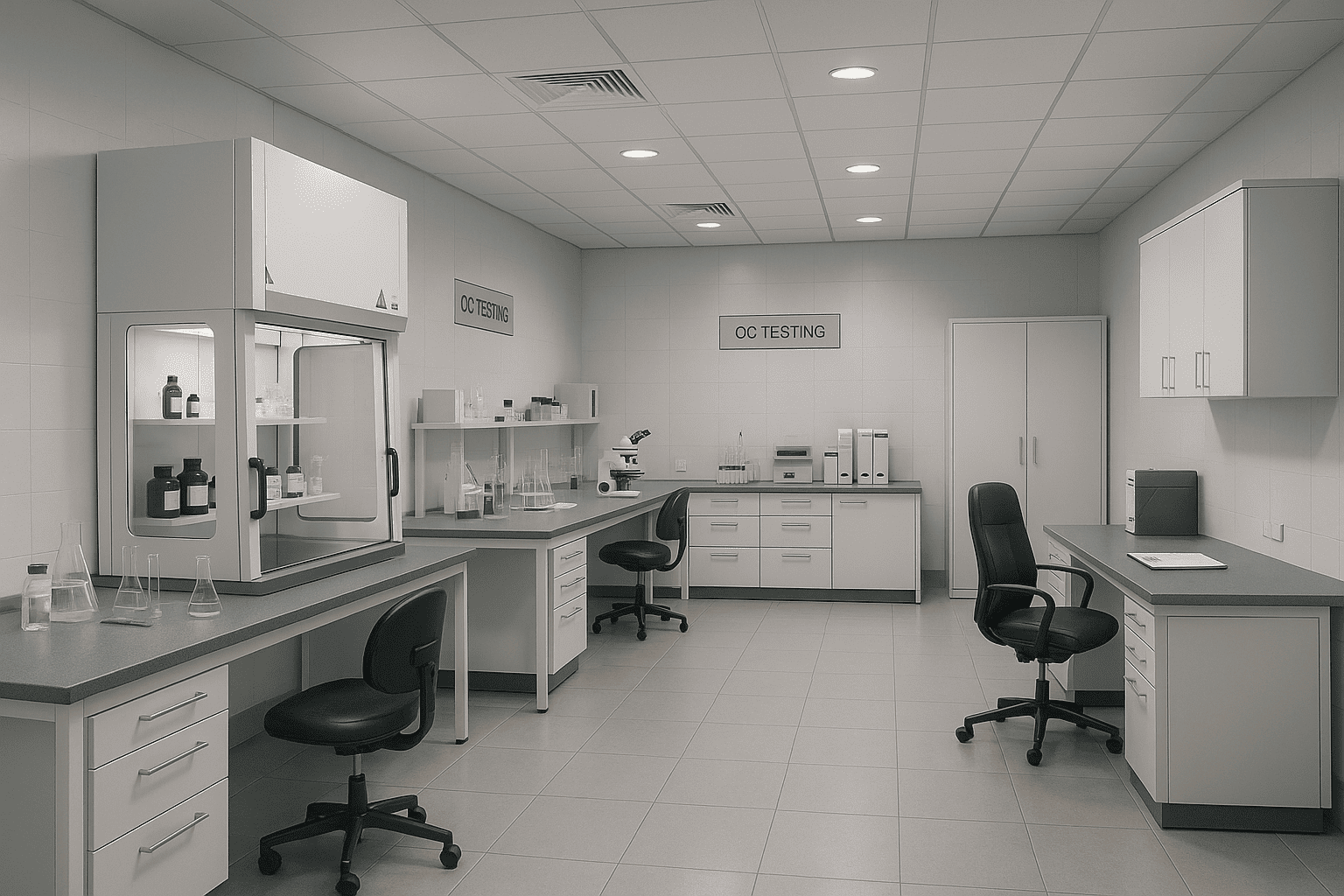
- Quality control labs: precise layouts for instruments and sample workflows.
- Healthcare and diagnostic labs: hygienic surfaces, easy cleaning, clear process flow.
b) Safety and compliance
Check local standards and guidelines regarding:
- Chemical storage and ventilation
- Fire safety and emergency exits
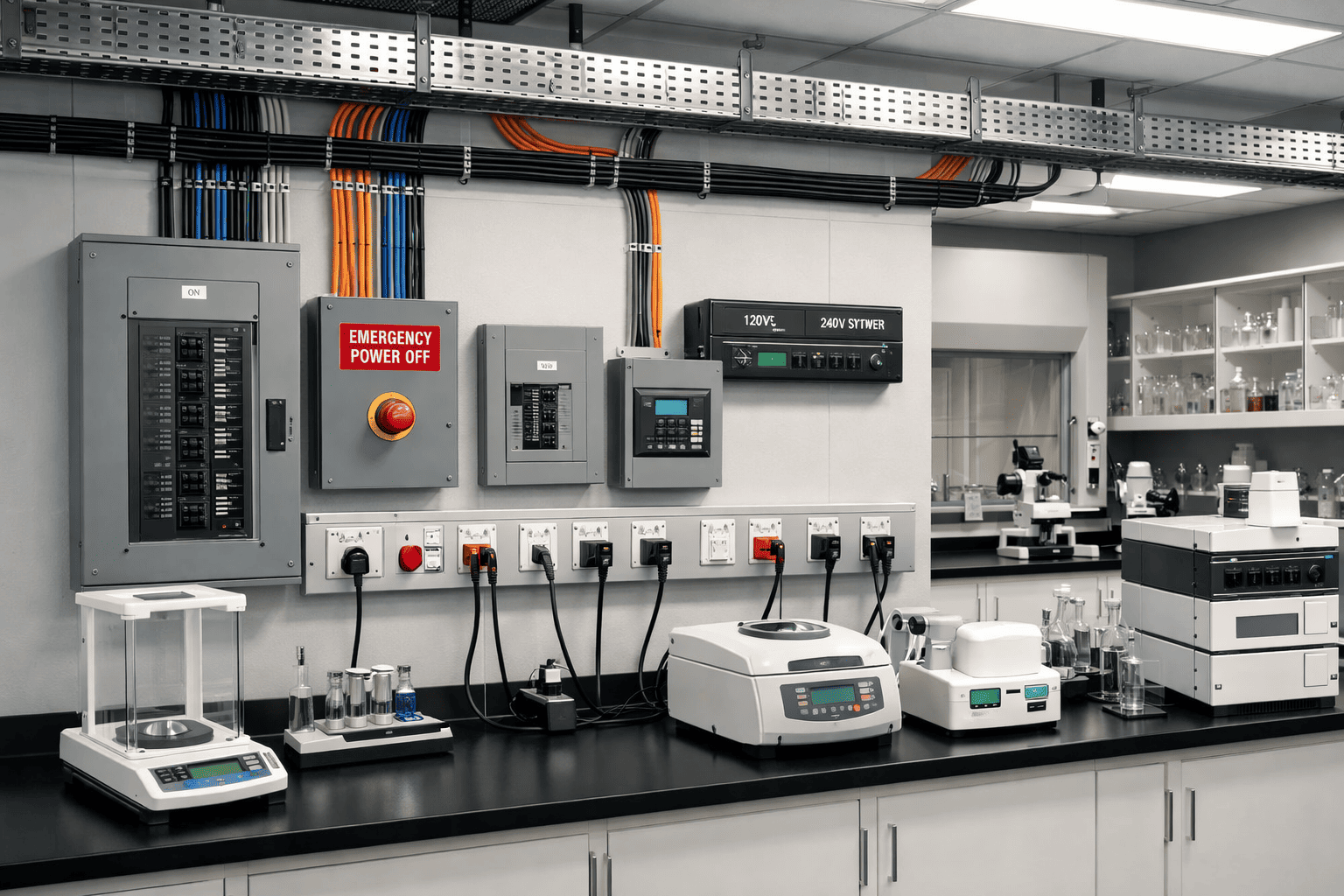
- Electrical outlets and gas line placements
- Ergonomics and accessibility
c) Workflow and space
Map the path of people, samples, and equipment. Consider:
- Where samples enter and exit
- Where instruments are used most often
- How many people work simultaneously
- Areas that must remain contamination-free
Good planning prevents overcrowded benches, wasted movement, and risky bottlenecks.
2- Main Types of Lab Furniture and Their Unique Roles
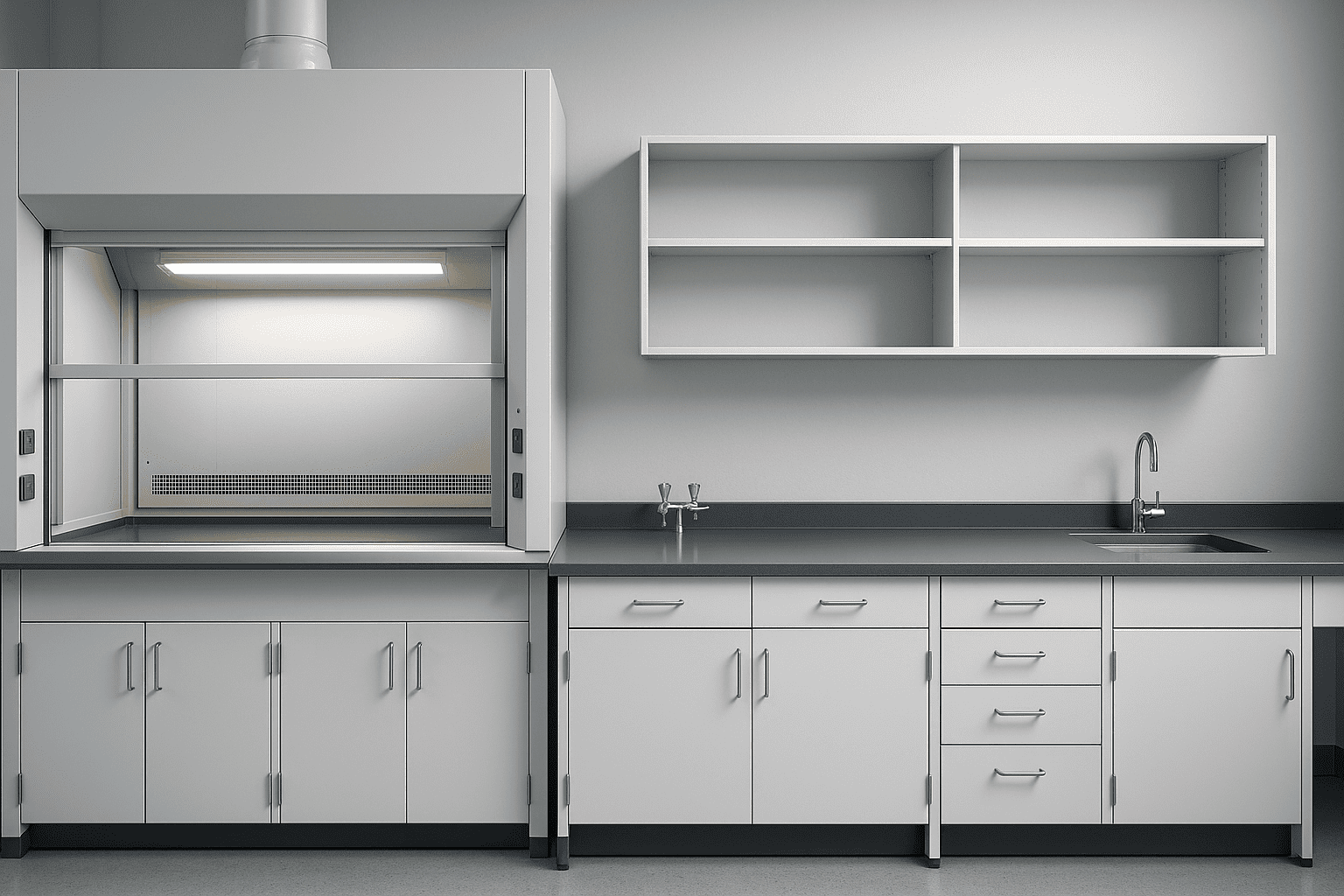
2.1 Workbenches and Workstations
Workbenches are the backbone of any lab. Common options include:
- Fixed benches
Attached to floors or walls, suited to labs with stable layouts and heavy equipment. Ideal for long-term installations. - Mobile benches
Mounted on lockable wheels. Help you reconfigure spaces quickly for new projects or teaching setups. - Height-adjustable benches
Allow sitting or standing work, improving ergonomics and comfort during long tasks.
Typical bench features to consider:
- Worktop materials:
- Phenolic resin for general chemical resistance
- Epoxy resin for highly corrosive environments
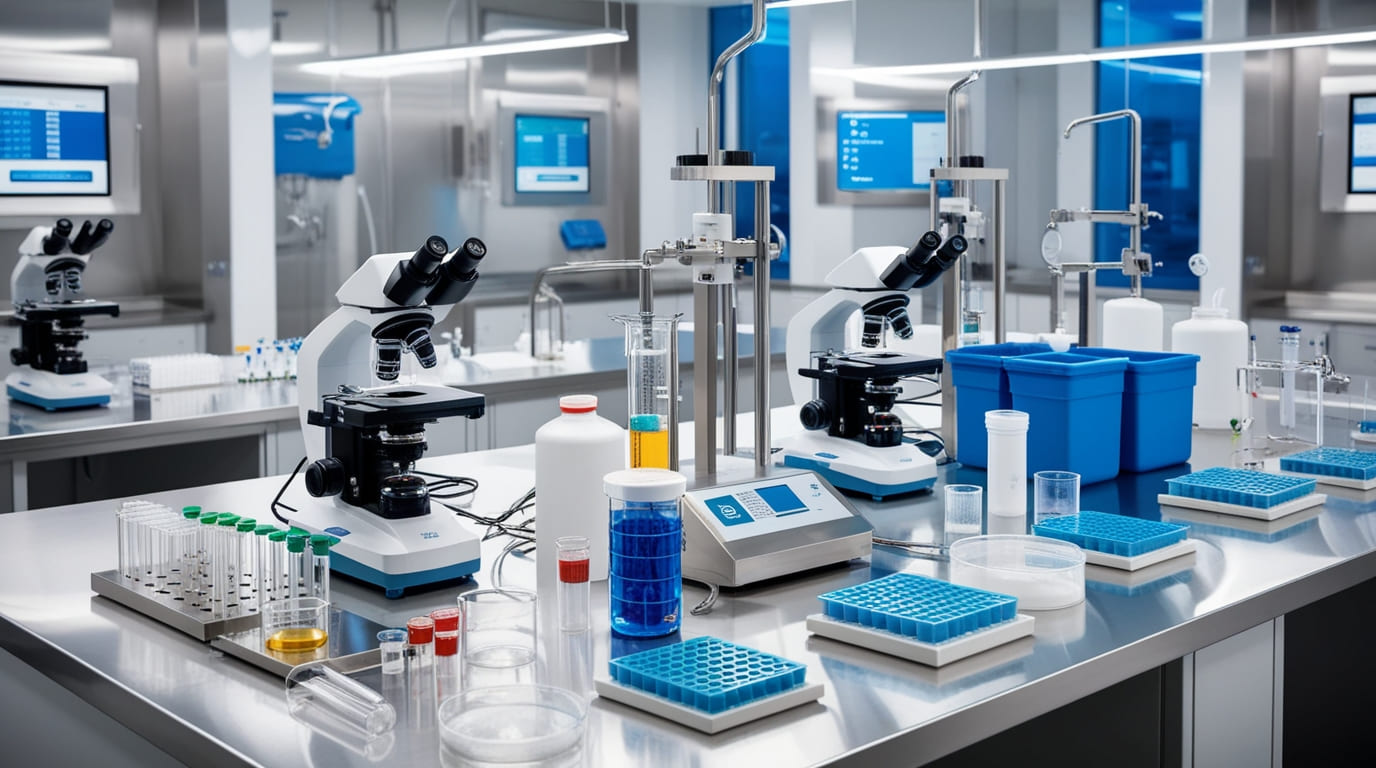
- Stainless steel for cleanroom or microbiology work
- Integrated sinks, service fixtures (water, gas, vacuum)
- Cable management and power outlets
- Shelving and overhead storage
2.2 Storage Cabinets and Shelving
Effective storage supports both safety and efficiency.
- Base cabinets
Under-bench cabinets for tools, consumables, or non-hazardous chemicals. - Wall-mounted cabinets
Keep items accessible without using floor space—good for glassware and often-used supplies. - Tall storage units
For bulk storage and infrequently used items. Often placed along walls or in dedicated store rooms. - Chemical storage cabinets
Specially built for acids, alkalis, flammables, or toxics:- Ventilated designs
- Chemical-resistant interiors
- Clearly marked hazard labels
- Fire-rated construction where required
Smart storage minimizes clutter on work surfaces and reduces risk during emergencies.
2.3 Fume Hoods and Ventilated Enclosures
Where chemicals, fumes, or particulates are handled, proper ventilation is essential.
- Ducted fume hoods
Exhaust air outside the building. Best for frequent or heavy chemical use. - Ductless (recirculating) hoods
Use filters and return air to the room. Useful when ducting is limited, but require correct filter selection and regular maintenance. - Biological safety cabinets
Protect both the user and samples from biological contamination.
Key considerations:
- Face velocity (airflow speed) and safety compliance
- Appropriate size for your equipment and procedures
- Ease of cleaning and filter replacement
3- Sinks, Wash Areas, and Utility Fixtures
Wet areas need furniture designed to handle splashes, chemicals, and frequent cleaning.
- Sink units with drip trays and drying racks
Positioned near sample prep areas or glassware washing zones. - Materials
- Epoxy resin or polypropylene for chemical resistance
- Stainless steel for general-purpose washing and medical settings
Combine sinks with nearby storage for detergents, brushes, and waste containers to keep the area organized.
4- Seating and Ergonomic Accessories
Poor posture and discomfort can damage productivity over time.
- Lab stools and chairs
- Height-adjustable
- With or without backrests
- Easy-to-clean surfaces for hygiene
- Footrests, anti-fatigue mats, and monitor arms
Improve comfort for tasks that require standing or long data entry sessions.
Designing ergonomics into your furniture plan reduces strain and supports long-term staff well-being.
5- Specialized Laboratory Furniture
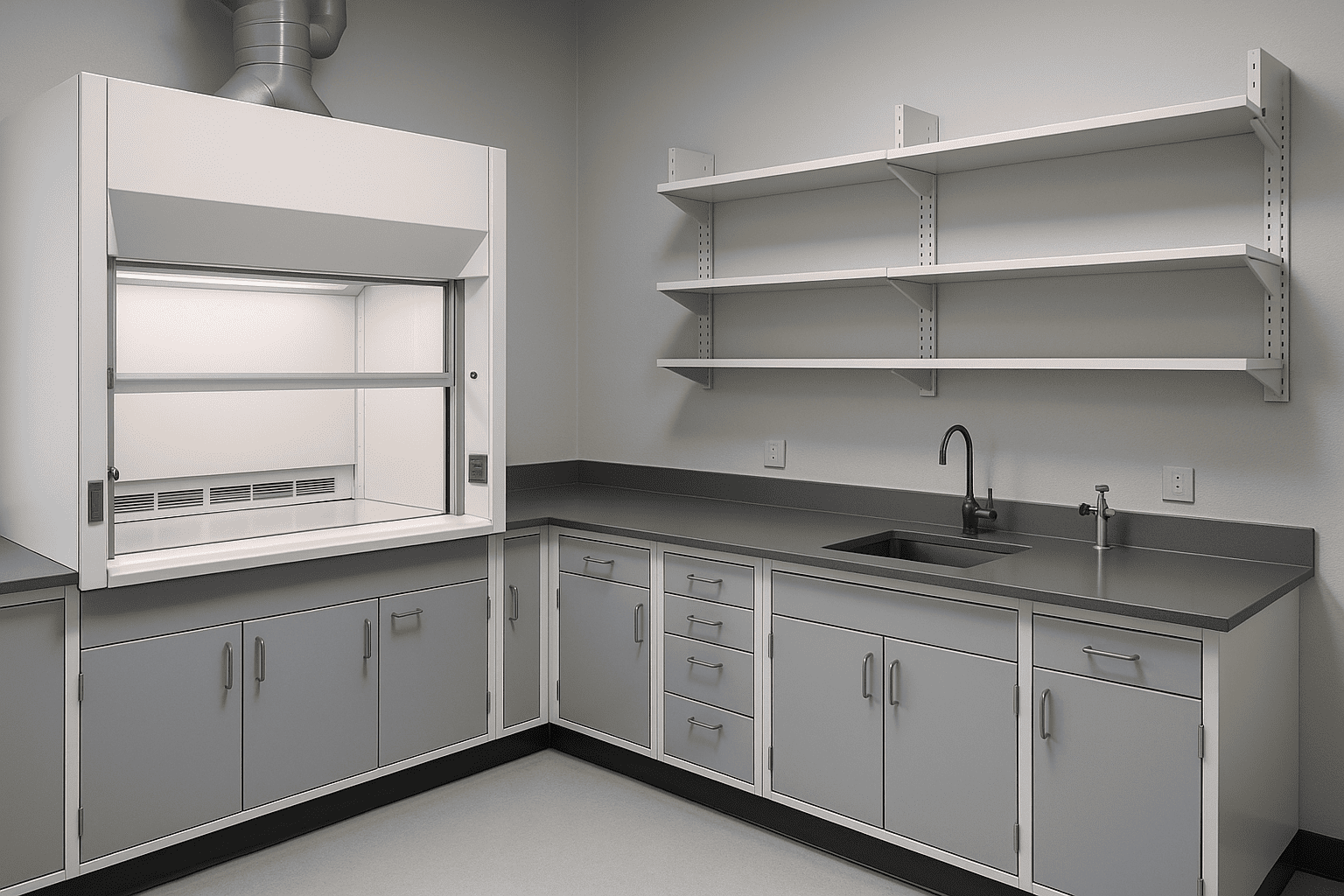
Depending on your field, you may need more specific solutions:
- Instrument tables
Vibration-resistant and sturdy, for balances, microscopes, and analytical instruments. - Cleanroom furniture
Low-particle-shedding materials, often stainless steel; minimal joints or gaps. - Teaching lab stations
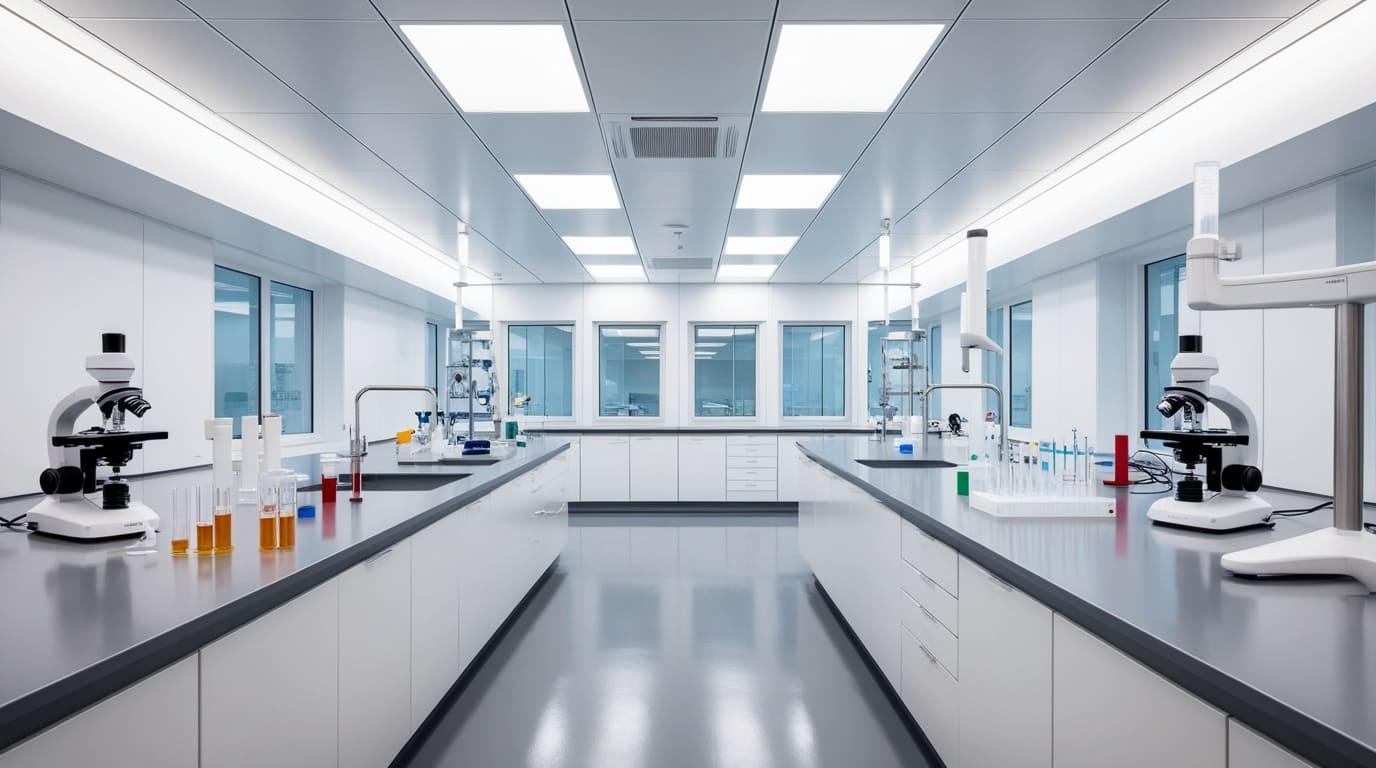
Allow clear visibility, shared utilities, and easy access for instructors. - Island benches
Central work areas with 360° access, suitable for collaborative tasks and teaching environments.
These specialized pieces can significantly improve the efficiency and quality of work in niche or high-precision settings.
6- Understanding Key Advantages of Quality Lab Furniture
Knowing the main Laboratory Furniture Benefits helps justify your investment and set the right priorities:
- Safety
- Chemical-, heat-, and impact-resistant surfaces
- Proper storage for hazardous chemicals
- Ventilated cabinets and hoods for fumes and vapors
- Durability and long-term savings
- Robust materials reduce replacements and repairs
- Strong hinges, heavy-duty drawer slides, and corrosion-resistant hardware extend lifespan
- Flexibility and scalability
- Modular systems let you add benches, cabinets, and shelves as your lab grows
- Mobile units support changing research projects or temporary setups
- Efficiency and organization
- Clearly defined areas (sample prep, analysis, storage)
- Reduced time lost searching for tools or reagents
- Cleaner, more professional environment for audits and visitors
When you understand these advantages, it becomes easier to choose where to allocate budget and which areas must not be compromised.
7- Choosing the Right Suppliers and Partners
Working with trusted Laboratory Furniture Manufacturers & Suppliers helps you avoid common mistakes and meet compliance requirements from the start.
When comparing providers:
- Check portfolio and experience
Look for projects similar to your lab type: pharma, educational, diagnostic, industrial R&D, etc. - Assess customization options
Modular sizes, bespoke layouts, and tailored utilities ensure a better fit than generic, off-the-shelf pieces. - Evaluate materials and construction quality
Ask about:- Worktop materials and their resistance ratings
- Hardware quality (hinges, locks, runners)
- Load-bearing capacity of benches and shelves
- Confirm certifications and standards
Relevant safety, quality, and environmental standards help ensure compliance. - Installation and after-sales support
A good partner will:- Provide layout drawings
- Coordinate with MEP (mechanical, electrical, plumbing) contractors
- Offer maintenance, spare parts, and support
Websites such as chameza.in, labturnkey.in, and labcreator.in can serve as reference points to understand available product ranges, materials, and layout ideas, especially if you are planning a lab in India or similar markets.
8- Quick Checklist for Setting Up Your Lab Furniture
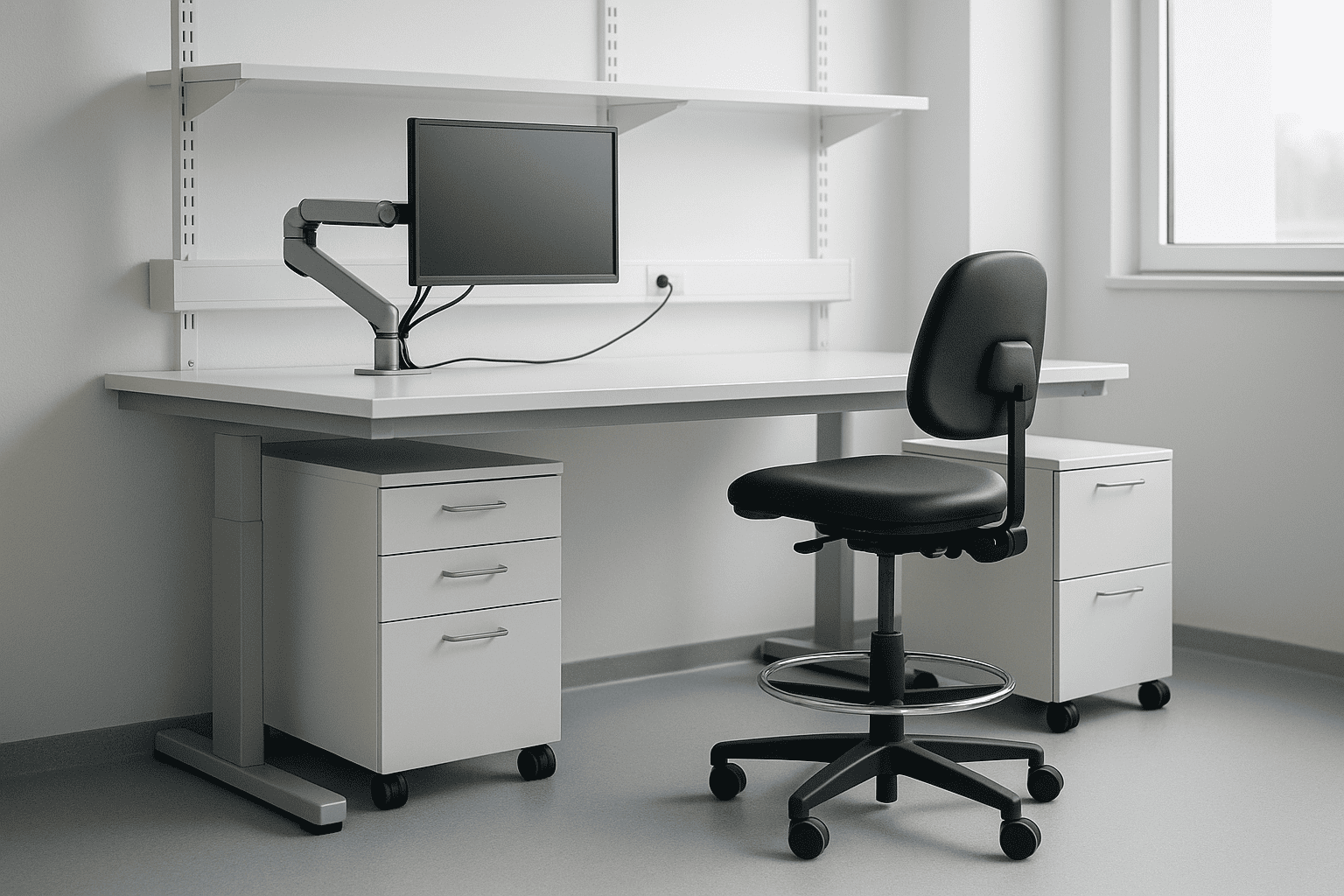
Use this simple checklist when planning your lab:
- Define lab purpose, workflow, and staffing levels
- Map out zones: storage, sample prep, analysis, washing, waste
- Choose appropriate workbench types and worktop materials
- Plan safe chemical and sample storage
- Include the right fume hoods or ventilated enclosures
- Design ergonomic seating and standing work areas
- Consider future expansion and modular options
- Work with experienced suppliers who offer design, installation, and support
Conclusion
A well-planned lab starts with the right furniture choices. By understanding the main categories of lab benches, storage, ventilation, sinks, seating, and specialized units, you can design a workspace that is safe, efficient, and ready for future growth.
Take time to analyze your workflows, safety requirements, and long-term plans. Then, partner with reliable providers and use reference sites like chameza.in, labturnkey.in, and labcreator.in to explore options and ideas. With careful planning and quality furniture, your lab can support accurate, efficient, and safe work for many years.
Leave a Reply