


Walk into any modern laboratory and one thing stands out immediately—the furniture isn’t just about looks. It’s part of the safety system, the workflow, and even the efficiency of the experiments. That’s why the material you choose matters more than most people think. And in that decision, metal laboratory furniture has quietly become the smarter, long-term choice for both small labs and large research facilities.
Let’s break down why.
Strength and Stability Matter More Than Style
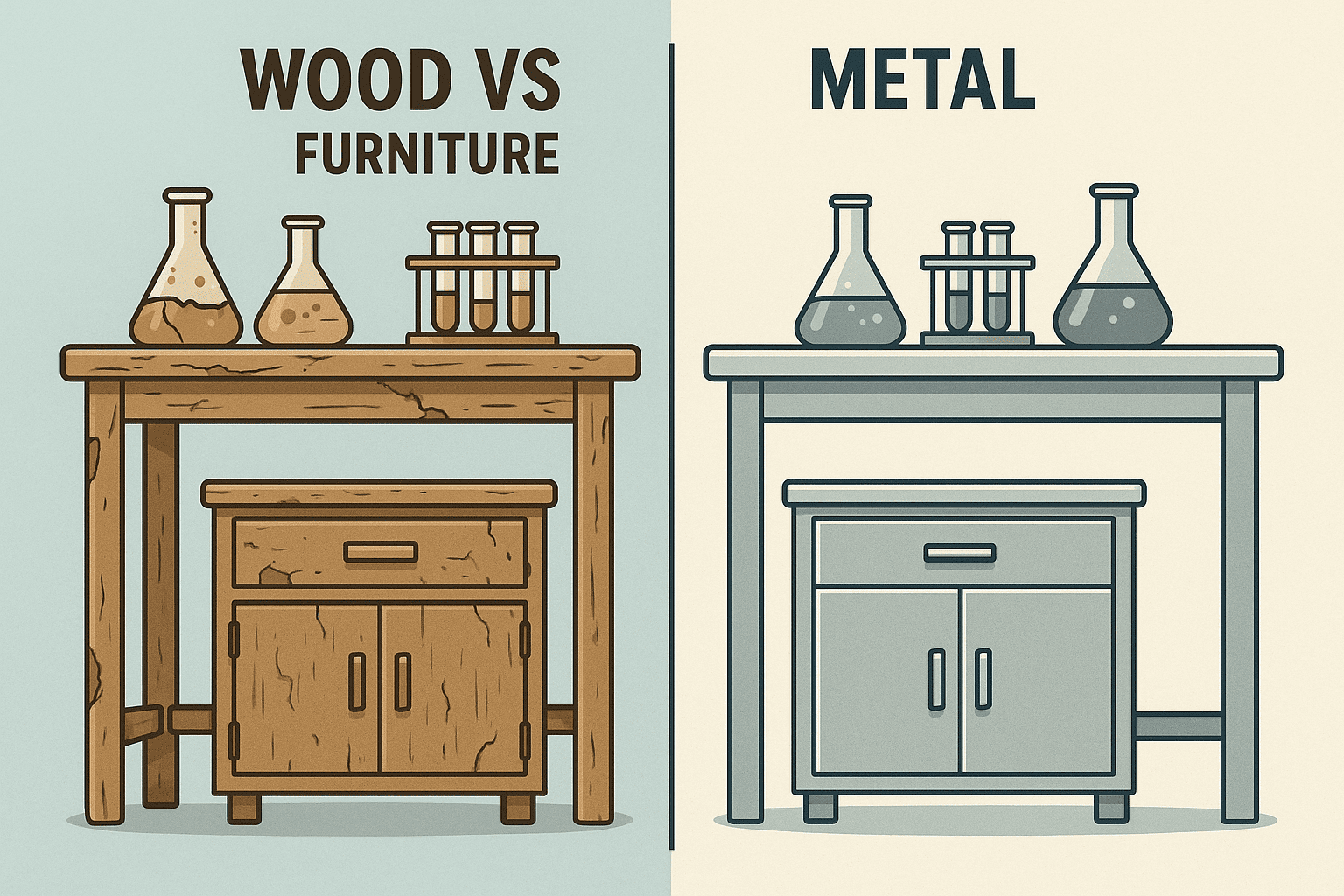
Here’s the thing: lab furniture faces more abuse than typical office or industrial furniture. Spills, heat, moisture, corrosive chemicals, heavy instruments—everything hits the surface at some point. Metal simply handles it better. It doesn’t swell like wood, it doesn’t crack like plastic, and it doesn’t deform under weight.
Well-designed Metal lab furniture can last 10–15 years with minimal maintenance. That means fewer replacements, lower repair costs, and more reliability over time. For laboratories that run 24/7, stability isn’t optional—it’s critical.
Safety Comes First—Metal Helps
Metal benches and storage units can be grounded properly, which reduces the risk of static buildup. In labs dealing with flammable chemicals or electronic sensors, this matters more than most people realize.
Some metal furniture also offers fire resistance, something wooden furniture simply can’t match. And when emergencies happen—fire, spills, or accidental chemical reactions—having non-flammable furniture can make a real difference.
Better for Hygiene and SOP Compliance
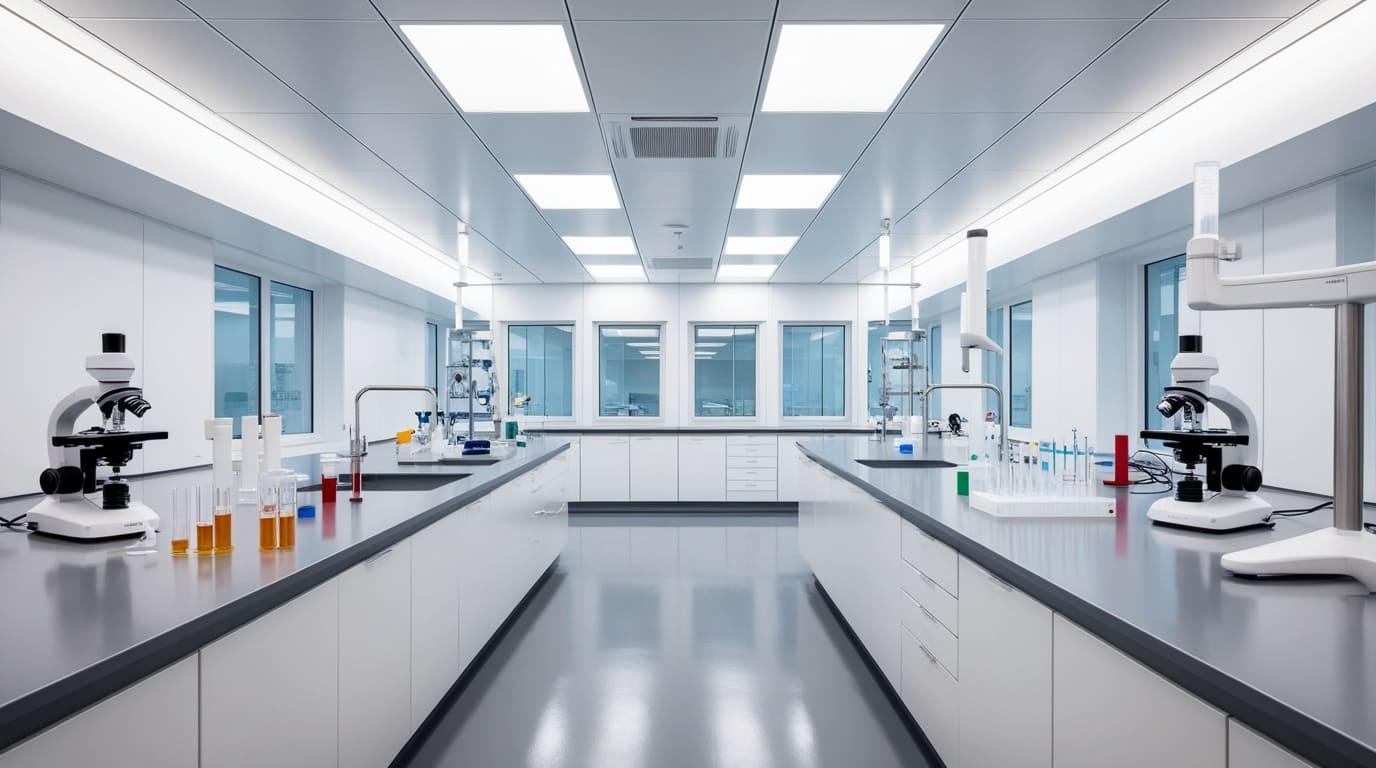
Regulatory standards are only getting stricter. Whether it’s ISO, NABL, GLP, or other certifications, cleanliness and easy maintenance always play a major role. Metal furniture scores here too:
- Smooth, non-porous surfaces → easy to disinfect
- Resistant to microbial growth
- Compatible with stainless steel tops and epoxy coatings
- Doesn’t absorb chemical odors
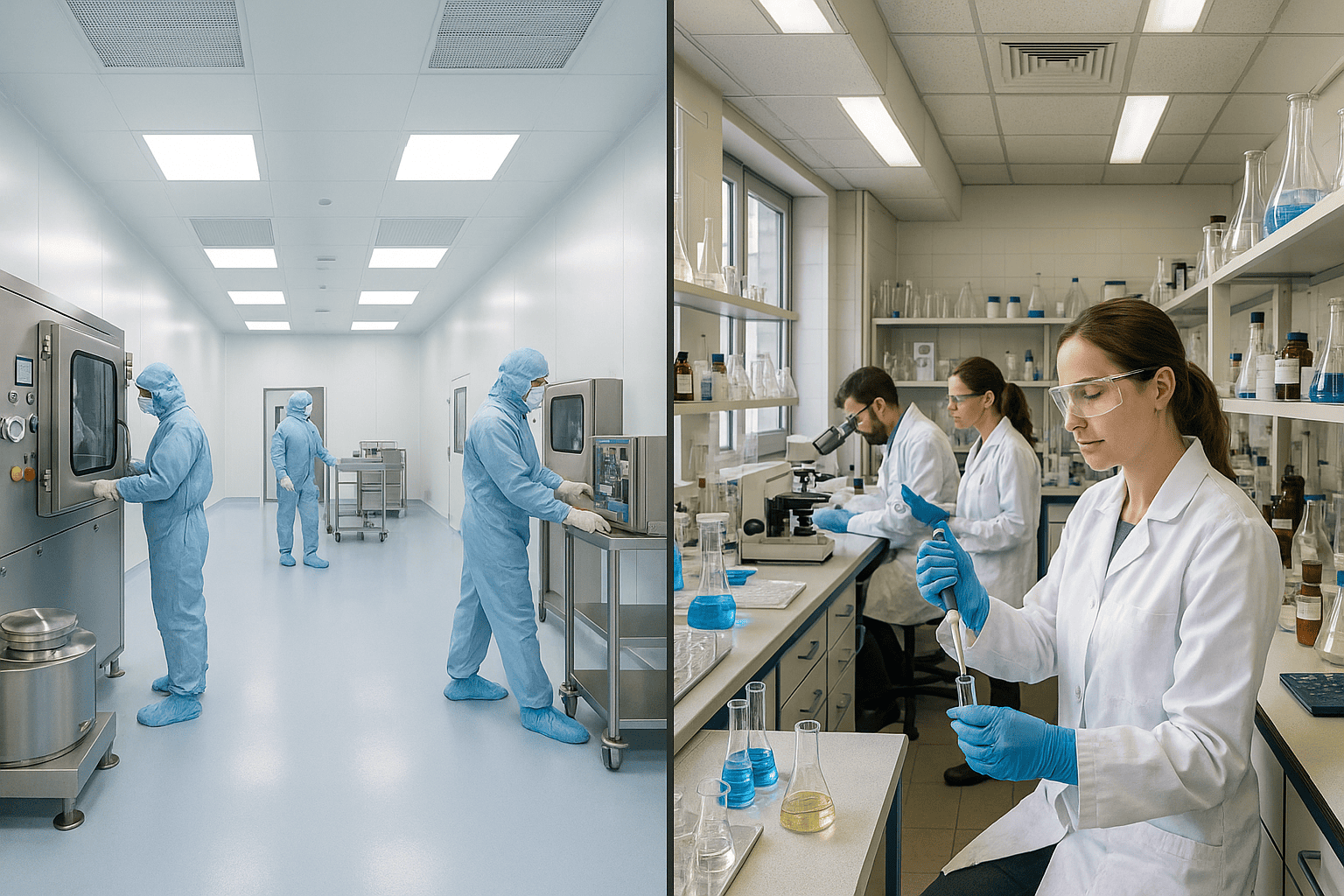
For labs working in pharma, food testing, pathology, microbiology, or research—this is essential.
Flexible Design for Different Laboratory Types
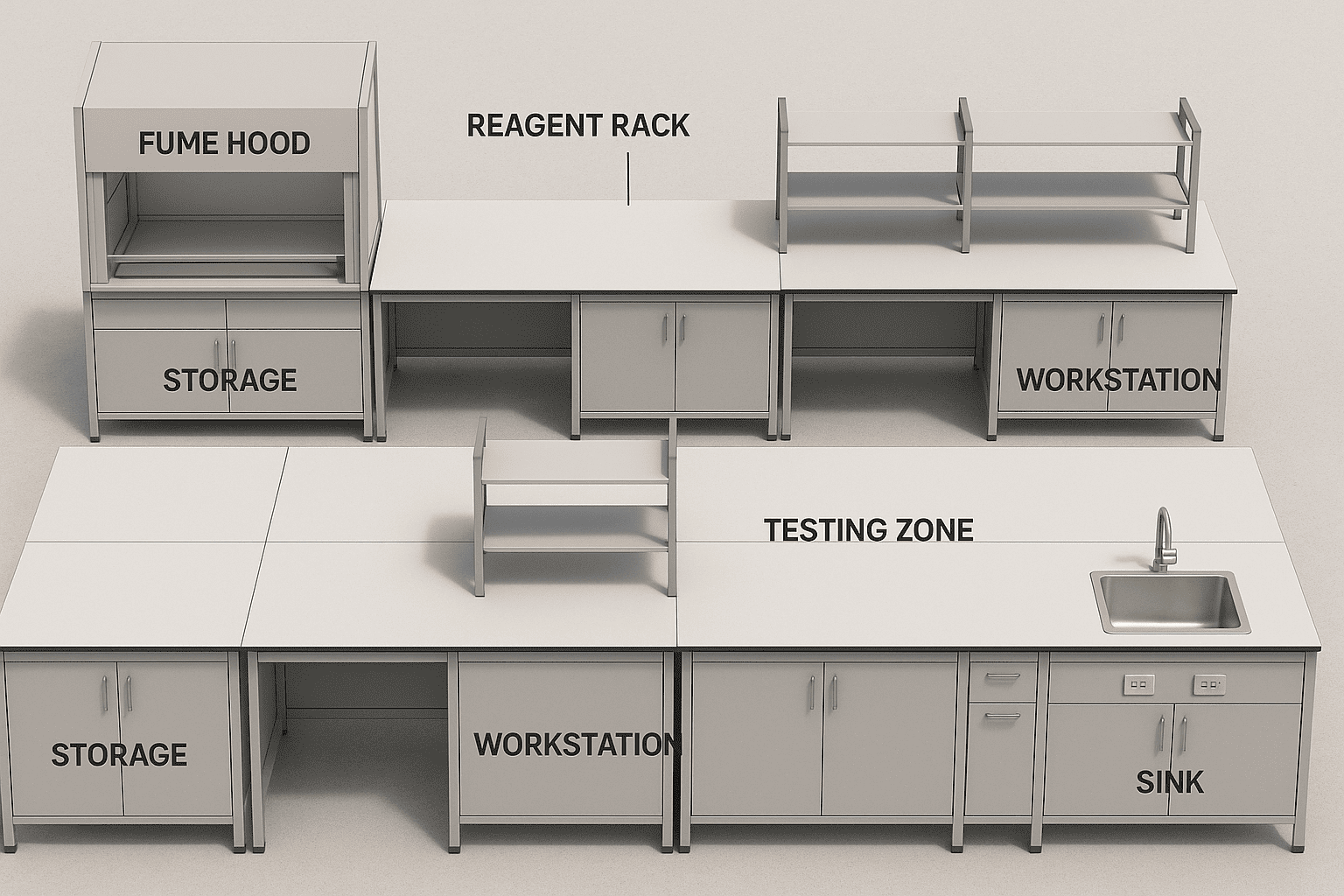
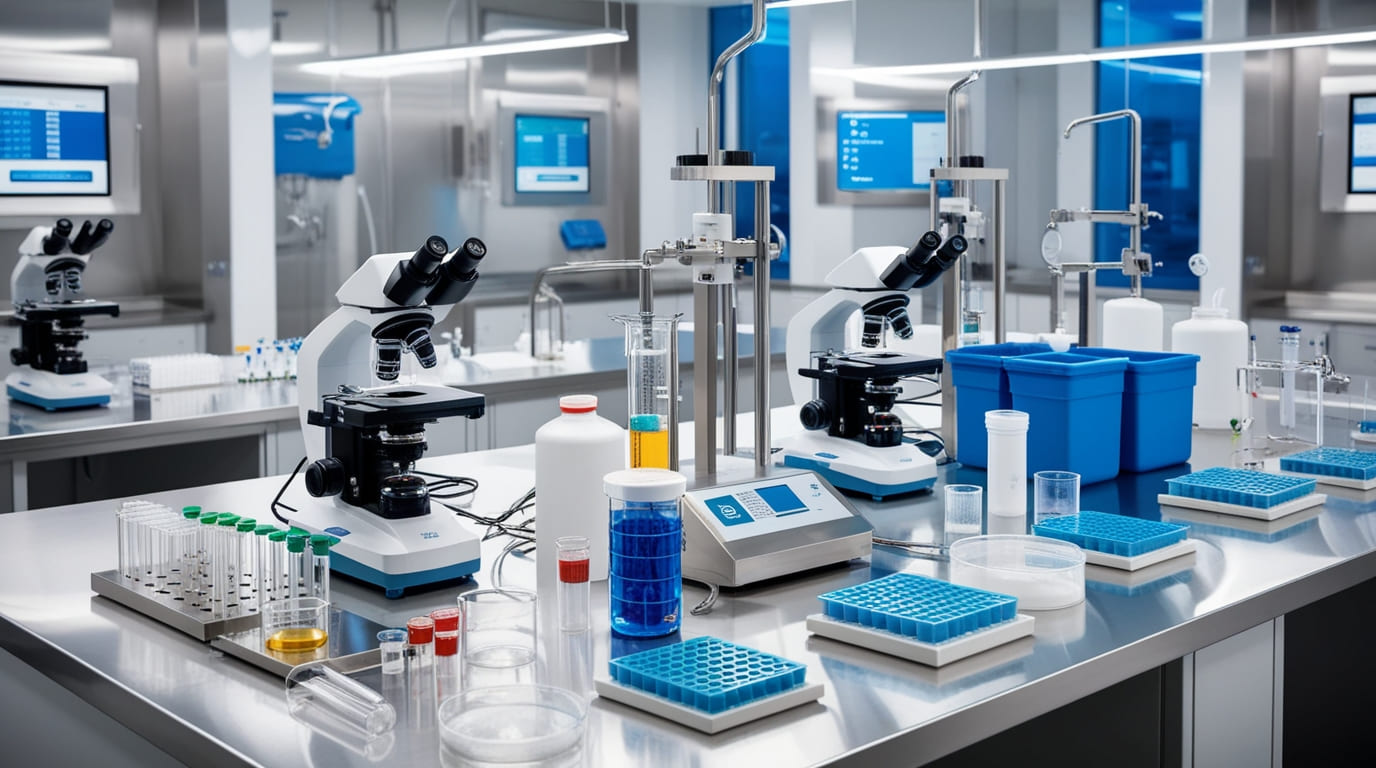
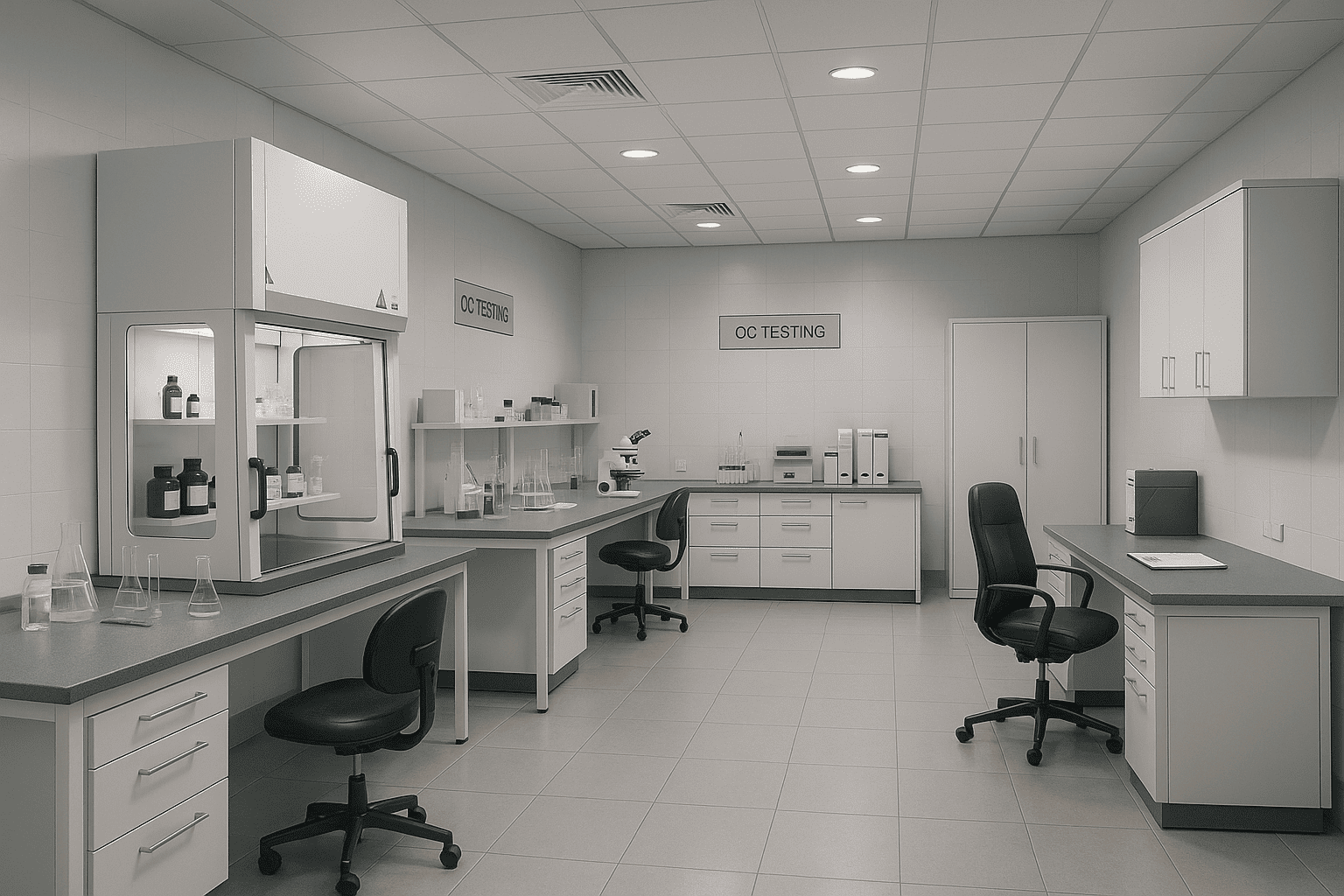
Metal lab furniture isn’t one-shape-fits-all. Today’s suppliers provide modular systems built around workflow. Labs can modify layouts over time without rebuilding from scratch. Drawers, overhead shelves, reagent racks, specialized storage, integrated sinks, electrical modules—they all fit into modular metal setups easily.
That means efficient laboratory furniture design starts with understanding the work—not just the dimensions of the space.
Cost Efficiency Over Time
Let’s be honest: metal furniture isn’t always the cheapest at the beginning. But when you calculate maintenance, durability, safety, and regulatory compliance—the total cost over time is significantly lower than wood or MDF.
Here’s the real question: do you want to save money now, or invest once and avoid headaches for the next decade?
When Should You Choose Metal Over Other Materials?
Metal furniture makes sense especially when the lab involves:
- Chemical handling
- High-heat processes
- Heavy equipment
- Sterile or clean environments
- Research that changes over time (flexible layouts)
If your lab needs adaptability, safety, and longevity—metal wins every time.
Where You Can Start Your Research
To see real examples and understand pricing, layouts, and project planning, you can refer to these websites:
- chameza.in
- labturnkey.in
- labcreator.in
These websites help showcase how metal lab furniture works across industries and lab sizes—whether for turnkey projects or upgrades to existing laboratories.
A Smart Move for Future-Ready Laboratories
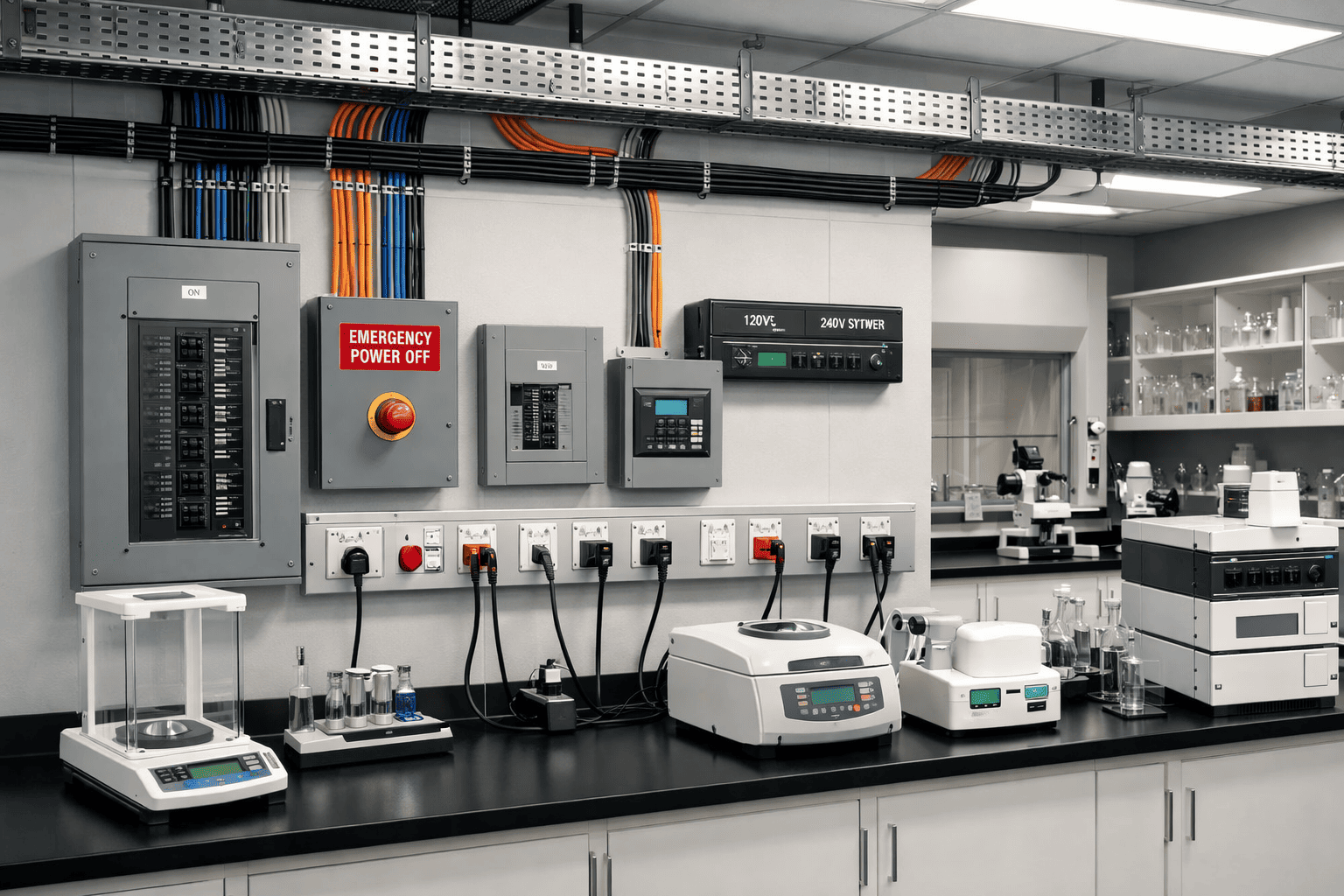
More laboratories are moving toward automation, AI-based instruments, and digital monitoring. That requires cabling, wiring, integration, and structured layouts. Metal is simply easier to customize and safer to integrate with technology.
Think of it as infrastructure—not just furniture. A strong foundation allows growth.
Final Thought
Wood looks warm. Plastic looks cheap. But metal works. That’s the difference.
If a lab setup is an investment—and it always is—then furniture shouldn’t be treated like general office equipment. It’s a functional asset that affects productivity, compliance, and safety every single day.
And that’s why metal isn’t just a trend. It’s a smart choice.
Leave a Reply