


Setting up a laboratory is a major investment, and every decision you make impacts safety, efficiency, workflow, and long-term reliability. Among all the components of a lab, the workbench is one of the most essential. Whether you are building a chemical lab, microbiology lab, research facility, or a quality-control room, the right workbench improves productivity, protects equipment, and ensures a smooth working environment.
However, many people find it difficult to choose the right workbench because there are many materials, designs, sizes, and configurations available. In this guide, you will learn how to decide which workbench is best for your needs, how different designs work, and what factors matter when comparing various models.
If you want to explore practical examples or real-world setups, you can refer to the following websites: chameza.in, labturnkey.in, and labcreator.in. These platforms offer detailed lab setup solutions and product insights that may help you make a more informed decision.
Understanding the Role of Laboratory Workbenches
Before selecting any design, it is important to understand the purpose of a lab workbench. Every lab has its own workflow, equipment layout, and operational goals. A suitable workbench supports these goals by offering durability, chemical resistance, ergonomic comfort, electrical safety, and a clean working surface.
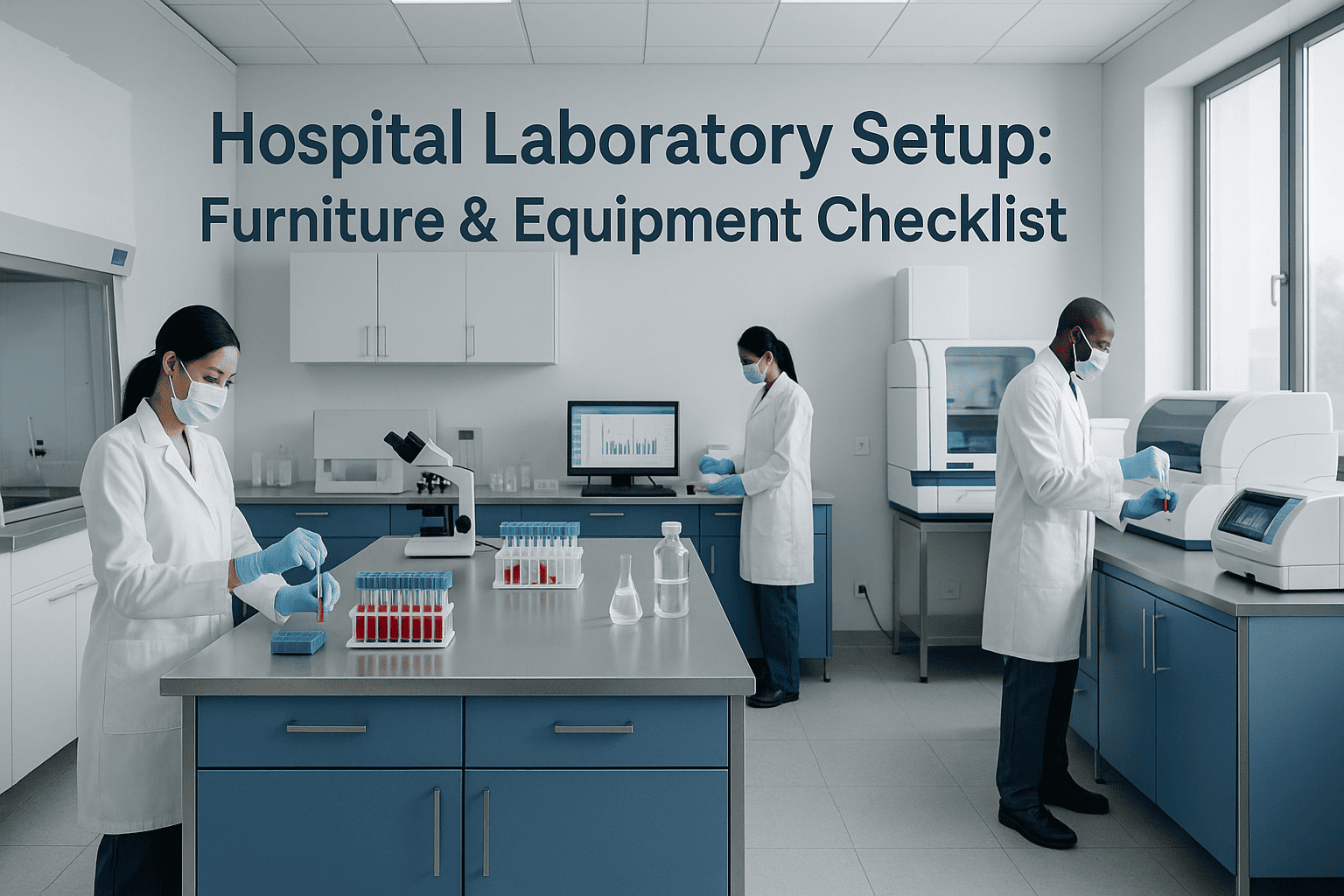
The foundation of a productive lab is the Laboratory Workbenches that allow technicians and scientists to perform tasks comfortably, safely, and in a structured manner. Even though the term may sound simple, choosing the right one requires careful thought.
Types of Workbenches You Can Consider

Today’s laboratories use different styles of benches depending on the nature of work. From island benches to wall benches, reagent racks to mobile benches, and specialized units for fume hood integration — the range is wide.
The Types of Laboratory Workbenches you choose must match your work environment. For example:
- Chemical labs need strong, acid-resistant, and fire-safe surfaces.
- Microbiology labs prefer easy-to-clean and contamination-free designs.
- Electronics or QC labs need anti-vibration or ESD-safe options.
- Academic labs often select modular benches for flexibility.
Understanding these categories helps you match your workbench with your actual operational needs.
Understanding Their Applications in Real Labs
The Uses of Laboratory Workbenches vary widely. Some benches are built to hold heavy machines, while others support fine testing instruments. Some benches need under-storage units, while others need overhead shelves or reagent racks.
Applications include:
- Sample preparation
- Chemical mixing and testing
- Microscopy and analytical instrument setup
- Tissue culture and microbiology tasks
- Weighing and precision work
- Documentation and computer-based tasks
Each of these uses may require a different style, surface, or configuration.
Key Factors to Compare Before Selecting a Workbench
Choosing the right workbench becomes easier when you evaluate the following important factors:
1- Surface Material
Common materials include:
- Phenolic resin – chemical resistant, affordable
- Epoxy resin – preferred for chemical labs, high durability
- Stainless steel – ideal for cleanrooms, pathology, and microbiology
- High-pressure laminate (HPL) – good for academic labs and general use
- Ceramic tops – used in high-temperature environments
Your choice should depend on the chemicals and equipment used in your lab.
2- Load-Bearing Capacity
Heavy equipment such as centrifuges, HPLC machines, biosafety cabinets, and incubators require strong frames. If your bench cannot support the load, it may lead to safety hazards or equipment failure.
3- Configuration and Layout
Depending on your room size and workflow, you may choose:
- Wall benches – for equipment that needs stable back support
- Island benches – for central lab tasks and teamwork
- Corner benches – ideal for utilizing extra space
- Mobile benches – flexible and useful for multi-purpose labs
- Customized benches – tailor-made for specific instruments
Modular designs are recommended for future scalability.
4- Storage Requirements
Drawers, shelves, cabinets, reagent racks, and electrical panels can be integrated based on usage. Labs handling sensitive documents or equipment may also need lockable storage.
5- Ergonomics
Height-adjustable benches help reduce fatigue and improve comfort, especially in research labs where scientists work long hours.
6- Electrical & Plumbing Integration
Some labs require:
- Sinks
- Gas lines
- Vacuum lines
- Electrical raceways
- Data ports
Plan the workbench design around these utilities to avoid modifications later.
7- Safety Considerations
Check for:
- Fire-resistant materials
- Anti-static options
- Spill-proof construction
- Rounded corners
- Chemical-safe coatings
A safe workbench design protects both personnel and equipment.
8- Budget and Long-Term Use
A workbench is a long-term investment. Lower-cost models may seem attractive now, but high-quality ones reduce maintenance and last for years.
Matching Your Workbench With Lab Type

Every laboratory category has unique demands:
Research Laboratories
Need flexible, modular designs and resistance to wear and tear.
Chemical Testing Labs
Require strong chemical resistance and heavy-duty frames.
Pharmaceutical QC Labs
Prefer clean, sterile, and contamination-free surfaces like epoxy or stainless steel.
Educational Labs
Often choose cost-effective and durable laminate benches.
Microbiology & Pathology Labs
Benefit from stainless steel or epoxy tops with easy sanitization.
Choosing a Reliable Supplier
Selecting a vendor who understands laboratory engineering is crucial. You can review designs and compare products on websites such as:
- chameza.in – known for turnkey projects and custom lab solutions
- labturnkey.in – offering modular and durable laboratory furniture
- labcreator.in – providing professional lab setup and design options
Comparing multiple vendors ensures better pricing, better material quality, and more customization flexibility.
Final Decision Checklist
Before finalizing your laboratory workbench, ask yourself:
- Does it match the work my team performs daily?
- Is the material compatible with our chemicals and equipment?
- Is the design flexible for future expansion?
- Will this workbench support safety, efficiency, and smooth workflow?
- Is the supplier reliable and experienced?
If the answer to all these questions is “yes,” you have selected the right workbench for your laboratory.
Conclusion
Choosing a laboratory workbench is not just about picking a table; it is about selecting a long-term partner that supports your scientific work, protects your equipment, and ensures safety. By understanding different types, materials, and applications — and by comparing suppliers — you can make a confident, well-informed decision.




Leave a Reply